Ask what a home in Stony Brook costs right now and the answer changes depending on which month you happened to ask. That is not a data problem. It is a market with two very different buyer pools sharing one zip code, and until you know which pool a given comp came from, the median price tells you almost nothing about what you will actually pay.
The Number That Won't Sit Still
In February 2026, Redfin's tracking put Stony Brook's median sale price at $635,000, down 16.4 percent from a year earlier, built from a total of five recorded closings that month. Five months later, in July 2026, the same data provider's Stony Brook snapshot showed the median sale price at $810,000, an increase of $80,000 in a single month, on 31 recently sold homes, a far larger sample than February's handful. Average days on market over that same July window fell to 17 days. By August 2026, Movoto's active listing data landed closer to the higher read, showing a median asking price of $792,000, up 10 percent from a year earlier, with homes spending a median of 23 days on market before going into contract.
One reading from the same source, five months apart, moved by $175,000. A second, independent source landed within striking distance of the higher number. Put side by side, the contradiction is stark enough that a buyer scanning listings in February and again in July could reasonably conclude the market had either crashed or caught fire, when in fact neither happened.
| Source | Window | Metric | Reading |
|---|---|---|---|
| Redfin | February 2026 | Median sale price (5 closings) | $635K, down 16.4% YoY |
| Redfin | July 2026 | Median sale price (31 closings) | $810K, up $80K month over month |
| Movoto | August 2026 | Median list price | $792K, up 10% YoY |
Both readings from Redfin are real. They just reflect wildly different sample sizes from the same small town.
Why Five Sales Can Swing a Whole Zip Code
A median sale price is a snapshot of whatever closed that month. When only five homes sell, as Redfin recorded in February 2026, one outsized estate sale or one distressed fixer-upper in the mix can move the median by tens of thousands of dollars without a single home actually losing or gaining value. Widen the sample to 31 sales, as Redfin's July 2026 reading did, and the number settles closer to what the broader market is actually doing.
Movoto's number works differently again: it reflects what sellers are currently asking, not what buyers already paid, so it moves with seller confidence and available inventory before it moves with closed transactions. That it landed close to Redfin's higher, larger-sample read in the same general window is a useful sanity check. It suggests the $810,000 figure, not the $635,000 one, is the more reliable picture of where the market actually sits.
None of these numbers is broken. They are measuring the same small town with different amounts of noise, and in a market with Stony Brook's sales volume, that noise can look like a trend if you only check the portals once.
The Other Reason the Comps Don't Match
There is a second force at work, and it has nothing to do with sample size. Stony Brook University sits inside a zip code where the surrounding residential streets are zoned for single-family use, but the university has chronically undersupplied its own dormitories. Local reporting on the town's enforcement efforts, cited by the Stony Brook Concerned Homeowners group in its coverage of a Newsday editorial on the university's growing pains, put the common waitlist for on-campus housing at around 400 students, and described an enforcement case where a landlord faced $18,000 in fines after being caught illegally renting a single-family house to students for a second time.
That mismatch between zoned housing stock and actual student demand pushes some owners toward a different business model entirely. Rather than sell to a family, they convert a three- or four-bedroom house into a shared rental, splitting bedrooms among students and pricing the unit on rental yield instead of resale comps. An off-campus housing guide for Stony Brook University notes that rents for apartments near campus typically run $1,000 to $3,500 a month per unit, and that Stony Brook and neighboring Setauket, sitting on either side of the main campus, are described as the most convenient but also the most expensive options for students. The university's own student newspaper documented average student rents climbing from $1,430 to $2,301 between 2010 and 2015 alone, a trend it tied directly to landlords splitting single-family houses into four-bedroom rentals to meet demand.
A house priced this way is not competing for the same buyer as the family home two streets over. It is priced against what four student tenants will collectively pay in rent, not against what a young family will offer to live in it. When that property eventually sells, its closing price becomes a data point in the same zip-code median as every owner-occupied sale, even though the two transactions were never part of the same market.
Which Streets Are Which
The split is not evenly distributed. It tracks geography in ways a buyer can actually use.
- Christian Avenue, the corridor running from the historic village center north toward campus, has seen steady appreciation tied to growth in the medical district around Stony Brook University Hospital, and it carries a mix of both owner-occupied homes and properties closer to campus with rental-conversion potential.
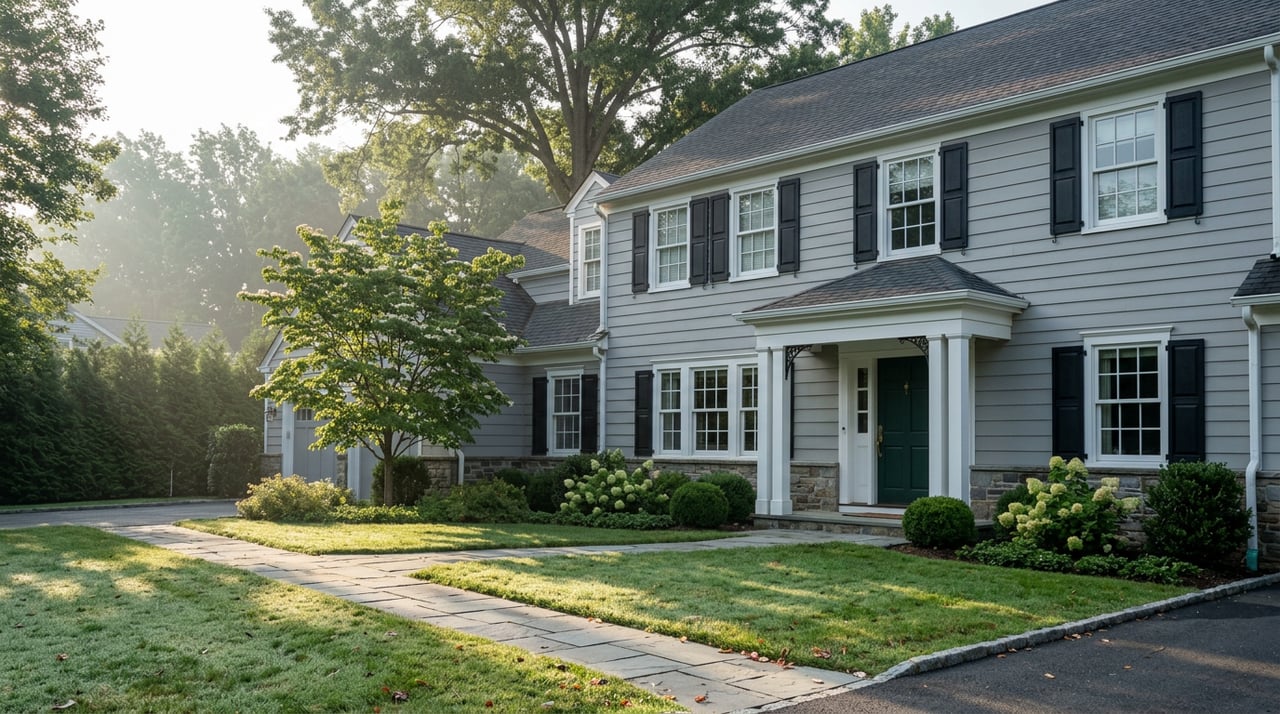
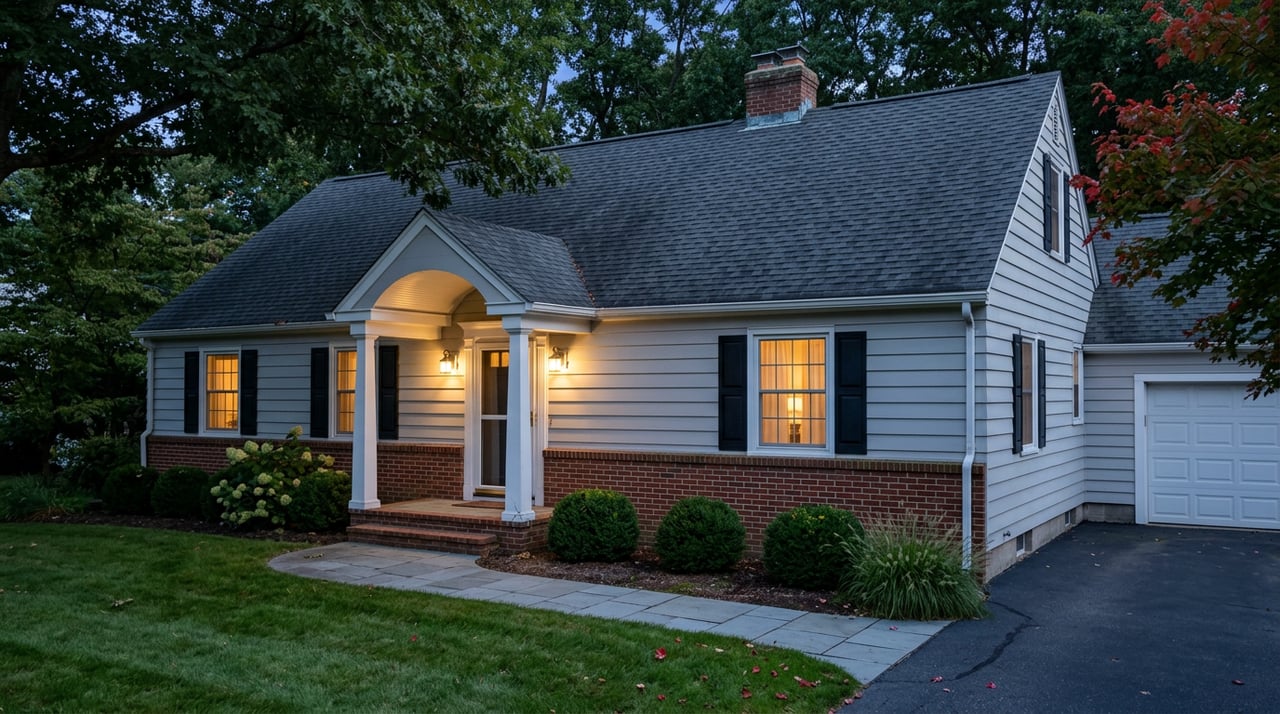
- Sheep Pasture Road and the streets running east toward the Setauket border offer more conventional inventory, largely postwar colonials and expanded capes, generally in the $650,000 to $950,000 range, bought by dual-income households working locally at the university or hospital system rather than renting to students.
- The M-Section and the Timberidge neighborhood, set back on quiet cul-de-sacs away from the main campus corridors, skew almost entirely toward family buyers and carry little to no rental-conversion activity.
- Strathmore and The Knolls, Stony Brook's gated 55-and-over condo communities, sit in a separate price band entirely, generally $350,000 to $500,000, and are effectively insulated from the student rental dynamic altogether.
The closer a street sits to the campus's south entrance corridor, the more likely a handful of its houses are being priced as rental assets rather than as family homes. The farther it sits from that corridor, toward the historic village core around the Ward Melville Heritage Organization's Stony Brook Village Center, the more the comps behave like a conventional, owner-occupied market.
What This Means If You're Comparing Streets, Not Just a Zip Code
If you are pricing a listing or evaluating an offer in Stony Brook, the zip-code median is close to useless on its own. What matters is whether the comparable sales your agent pulled came from owner-occupant buyers or from rental-conversion buyers, because the two groups are not bidding against each other and should not be blended into the same pricing model.
Before trusting a comparative market analysis here, it is worth asking your agent three things: whether any of the comps sold to an LLC or corporate buyer rather than an individual, whether the property has a documented rental history near campus, and whether the sale closed unusually fast for cash, a common signature of an investor purchase rather than a family relocation. Brookhaven has pursued fines against illegal student rentals before, so a documented enforcement history is at least worth asking about for any specific address near campus.
Days on market is one of the few numbers in this market that still means roughly the same thing across both segments. Redfin's July 2026 reading showed homes moving in an average of 17 days, and Movoto's August 2026 figure of 23 days was down 4 percent from a year earlier. Both point the same direction: well-positioned homes, family or investor-owned, are still moving with confidence. That part of the picture is not in dispute. It is the price these homes clear at that depends entirely on which market they were built for.
Three Questions Worth Asking Before You Trust a Stony Brook Comp
Does a falling median price mean Stony Brook home values are actually dropping? Not necessarily. Redfin's own Stony Brook numbers moved from a $635,000 median built on five closings in February 2026 to an $810,000 median built on 31 closings by July 2026. The swing says more about sample size than about whether homes are actually worth more or less.
Is buying near campus automatically a bad idea for a family? No, but it changes what due diligence looks like. Homes closer to the campus corridor are more likely to have been used as student rentals at some point, which affects everything from wear and tear to whether recent comparable sales reflect owner-occupant pricing or investor pricing.
How does this affect an appraisal? An appraiser pulling comps in a zip code with mixed owner-occupant and rental-conversion sales may need to be steered toward the right comparables manually. If your agent or appraiser is not accounting for which nearby sales were investor purchases, the resulting valuation can miss the mark in either direction.
Stony Brook is not confusing because the data is bad. It is confusing because one number is being asked to describe two different housing markets at once. Knowing which market your street belongs to is the difference between reading a headline and actually understanding what you are buying or selling.
If you are weighing a move in Stony Brook and want a comp set built around your specific street rather than a zip-code average, reach out to SERHANT. Port Jefferson for a home valuation that accounts for the difference.