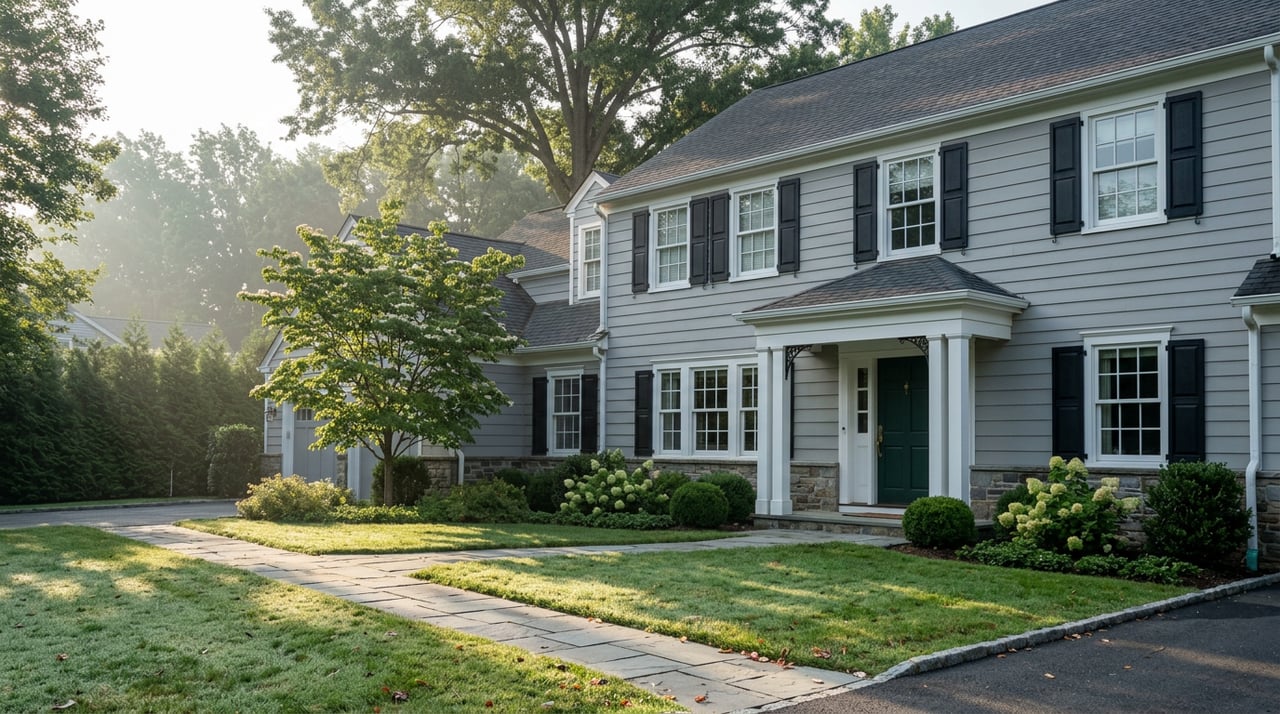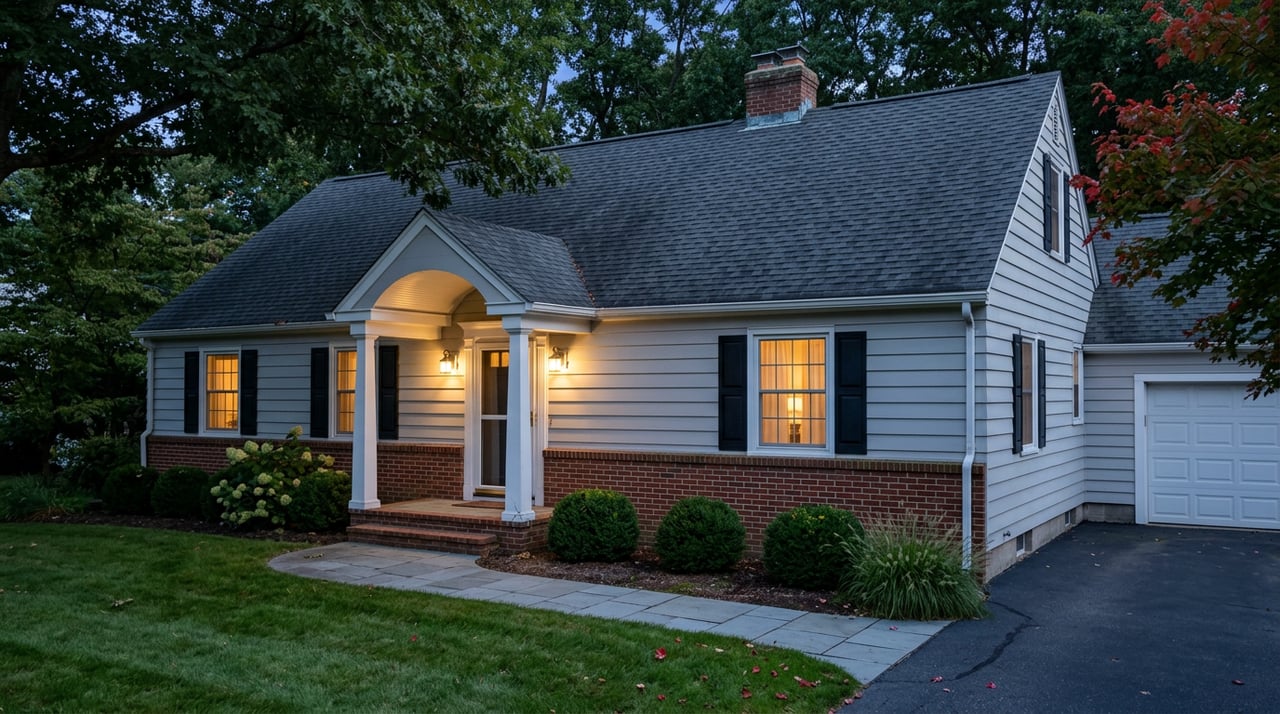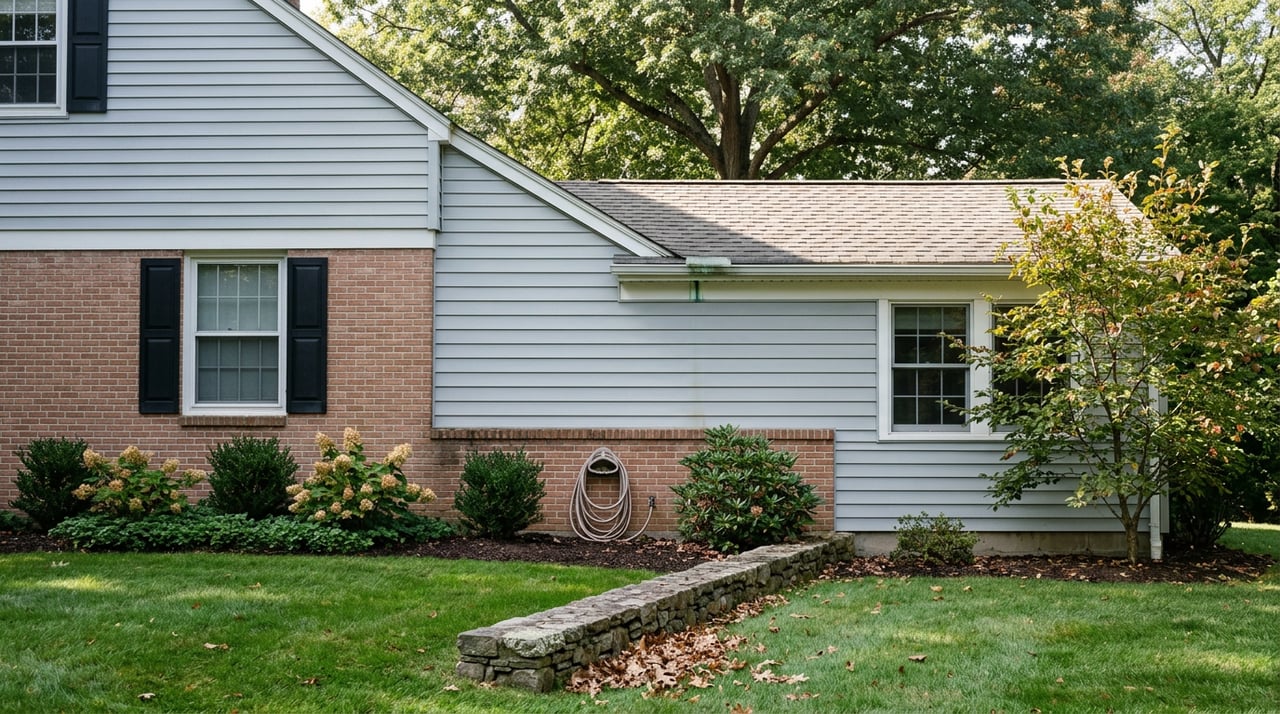
A buyer under contract on an older ranch in Belle Terre pulls together plans for a primary suite addition and a new foundation under the back half of the house. Their contractor has done a dozen jobs in Setauket and Mount Sinai and quotes a standard Town of Brookhaven timeline: submit plans, get a building permit, break ground in a matter of weeks. Then someone mentions that Belle Terre issues its own permits, runs its own Planning Board, and doesn't answer to Brookhaven's building department at all. The renovation timeline the contractor quoted doesn't apply here, and neither does the assumption that a summer rental will help cover the mortgage while the work gets done.
That gap between what buyers expect and what the village actually requires is the thing worth understanding before an offer goes in, not after.
The Acre Comes With Its Own Government
Belle Terre is a fully incorporated village inside the Town of Brookhaven, not a homeowners association layered on top of standard town rules. It has its own Board of Trustees, its own Building Inspector, and its own Village Clerk who processes permit applications directly. Anyone comparing a Belle Terre purchase to a similarly priced home elsewhere on the North Shore should treat the permitting process as a separate system with its own timeline, its own paperwork, and its own review body. A permit that would move through a town building department in a few weeks moves through a different structure here.
Why Older Homes Trigger Full Review
Belle Terre's zoning code sets a one-acre minimum lot size for single-family homes, a minimum of 200 feet of frontage at the building line, and a front setback of at least 60 feet from the street. Plenty of the village's older homes, built well before these standards existed, sit on lots that don't match today's requirements. That matters because Belle Terre's Chapter 125 site plan review applies to any demolition, new construction, or development involving a new foundation, and it doesn't carve out an exception for additions on legal nonconforming lots. A two-story addition with its own footing triggers the same Planning Board process as a full teardown and rebuild. Buyers assuming a modest expansion counts as routine maintenance are often surprised to learn the village doesn't see it that way.
The Timeline Nobody Puts on a Term Sheet
The village code lays out the process in specific steps, and the steps add up faster than most renovation budgets account for:
- The application goes to the Village Clerk and the Chairman of the Planning Board, along with the full building or demolition permit application.
- The Building Inspector reviews the submission and is directed to complete that review within 20 days.
- If the Building Inspector determines variances or changes are needed, the applicant has to resolve those before moving forward.
- A Planning Board hearing cannot be scheduled until at least 30 days after all required changes and variances have been addressed and the Building Inspector considers the application complete.
- The Planning Board can approve the site plan, approve it with conditions, or deny it, and any conditions have to be satisfied before the Building Inspector issues an actual permit.
Add those minimums together and a straightforward application is looking at roughly seven weeks before a hearing even happens, assuming nothing gets flagged along the way. Anything that does get flagged resets part of the clock. For a buyer trying to close, renovate, and move in on a set schedule, or one who wrote a financing contingency around a specific closing date, this is the number that should shape the offer, not something discovered after the ink is dry.
What Has to Be in the Package
Belle Terre's building code requires four complete sets of plans and specifications bearing the signature and seal of a licensed architect or professional engineer for any permit application covering erection or alteration of a structure. The site plan submission itself has to address drainage and stormwater, vehicular access and driveway placement, and the retention of trees and natural landscaping the village code specifically calls out as a planning priority. For anything that touches water or waste, the applicant also needs approval from the Suffolk County Department of Health Services and, for new structures, a letter from the Suffolk County Water Authority confirming water availability at the site. None of this is unusual for Suffolk County generally. What's unusual is that Belle Terre folds all of it into its own local review on top of the county-level approvals, rather than deferring the structural review to Brookhaven.
The Septic Question Underneath the Big Lots
Large lots and mature tree cover are part of what makes Belle Terre distinctive, and they also mean a meaningful share of homes rely on private septic systems or older cesspool rings rather than public sewer. If a renovation plan touches the waste system, whether that's a new bathroom wing or a system nearing the end of its life, replacing it triggers registration with the Suffolk County Department of Health Services under the county's Sanitary Code framework for onsite wastewater systems, a requirement that has been in place since a 2019 update to the county code. Because Belle Terre already requires county health sign-off as part of its own site plan package, a septic issue discovered mid-renovation doesn't just add a repair bill. It adds a second approval chain on top of the village's own timeline.
If the Plan Includes Renting the Place Out
Some buyers factor rental income into the numbers, especially on a property they plan to renovate before living in full-time or use seasonally in the meantime. Belle Terre's rental code makes that math worth checking early. Since March 1, 2014, no dwelling unit in the village can be used as a rental property without a valid permit issued by the Chief Building Inspector, and that permit is tied to the owner, not the property. A few specifics worth knowing before assuming rental income is on the table:
- Permits run for two years and have to be renewed before they expire.
- Transient rentals are prohibited outright, which rules out short-term, platform-style bookings.
- No more than two bedrooms are permitted in the basement of a rental property.
- Leasing or occupying less than the entire property, such as renting out a portion while the owner keeps a room, is not allowed.
The village reiterated this rule again this month, posting a notice on its official site reminding residents that using a dwelling as a rental property requires a valid permit, effective immediately. That's not a new law. It's a sign the village is actively enforcing an old one, which matters for anyone penciling out a purchase that depends on rental income covering part of the carrying cost during a renovation.
Before You Write the Offer
None of this makes Belle Terre a harder place to own a home. It makes it a place where the permitting process deserves the same scrutiny as the inspection report. A buyer planning any addition, demolition, or foundation work should build the village's realistic timeline into the purchase contract, not the contractor's usual estimate. A buyer counting on rental income should confirm permit eligibility before that income shows up in a budget. And anyone touching a septic system as part of the plan should loop in the county health approval early rather than treating it as a formality at the end.
This is exactly the kind of detail that separates a smooth Belle Terre purchase from a stalled one, and it's the kind of local knowledge that matters more than square footage or a listing photo. If you're weighing a Belle Terre property with renovation plans in mind, or you already own one and are trying to figure out what a project like this does to your timeline and your resale value, the team at SERHANT. Port Jefferson works these approvals with buyers and sellers regularly and can walk through what your specific lot and structure would require before you're locked into a contract. Get Your Home Valuation to start that conversation.
Quick Answers
Does every renovation in Belle Terre need Planning Board approval? Only projects involving new construction, demolition, or a new foundation trigger the village's Chapter 125 site plan review. Interior work that doesn't touch the foundation generally follows the standard building permit process through the Building Inspector, but the Building Inspector makes that determination, so it's worth confirming scope before finalizing plans.
Can I rent out a Belle Terre home short-term while I renovate? No. Village code prohibits transient rentals outright. Any rental arrangement of a month or longer requires a valid two-year rental permit from the Chief Building Inspector, issued to the property owner.
How long should I actually budget for approval? Plan for a minimum of seven to eight weeks before a Planning Board hearing can even be scheduled, and that assumes no variances are flagged along the way. Most projects involving a new foundation should budget several months between application and certificate of occupancy.