Thinking about buying a rental on Long Island’s North Shore but unsure where to start? You want steady demand, clear numbers, and rules you can follow with confidence. In this guide, you’ll learn who rents in Port Jefferson, Stony Brook, and Setauket, what homes and rents look like right now, how to run a quick return check, and which landlord rules matter most. Let’s dive in.
Why the North Shore works
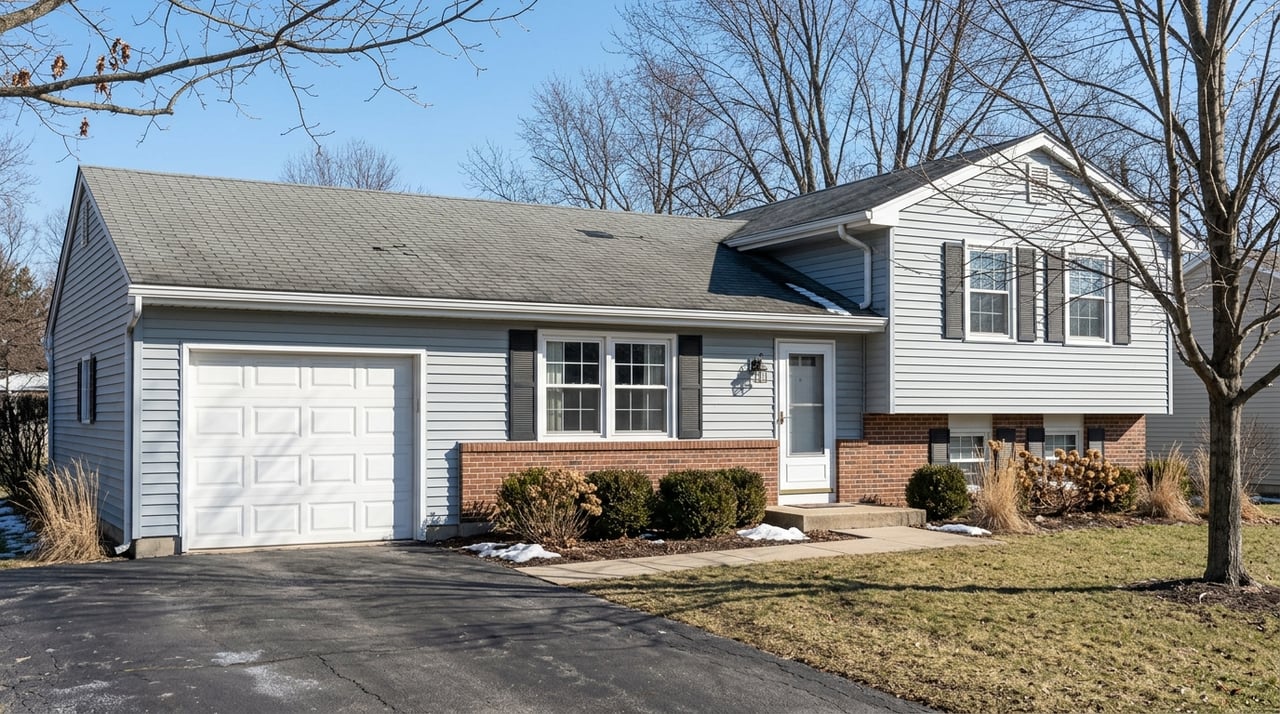
Suffolk County’s North Shore communities like Port Jefferson, Stony Brook, and Setauket are known for single-family homes and small multi-family properties. Inventory runs lighter than more dense suburbs, which helps support stable pricing and consistent tenant demand.
Local demand comes from several sources. Stony Brook University enrolls about 26,600 students each fall, which feeds a steady off-campus housing market for shared homes and multi-bedroom units. You can confirm the latest counts in the university’s fact book at the Stony Brook University enrollment report.
Healthcare is another anchor. Stony Brook Medicine employs thousands of physicians, nurses, residents, and staff, which supports year-round professional rentals at solid price points. Learn more about the system’s scale in Stony Brook Medicine’s strategic plan.
For commuters and hybrid workers, the Port Jefferson Branch of the LIRR offers service at Port Jefferson and Stony Brook stations. Proximity to a station can widen your renter pool. Check specific trip times on the LIRR Port Jefferson Branch timetable.
What homes cost today
As a reference point, recent market snapshots show the following median sale prices as of February 2026:
- Port Jefferson: about $812,500 (all home types)
- Stony Brook: about $635,000
- Setauket–East Setauket: roughly $700,000 to $811,000 depending on the specific area
These are medians that can shift with small sample sizes and property mix. Waterfront and village-adjacent homes often trade above the median. Confirm current MLS comps when you evaluate a specific purchase.
What rents look like
Rental data in these hamlets often reflects a small number of active listings at any given time. Treat averages as snapshots, not guarantees, and verify with current local listings before you buy.
- Port Jefferson: Average rent recently hovered near the mid‑$2,600s across property types, with a common range of about $1,500 to $4,600. Single-family homes with 2 to 4 bedrooms often lease in the $2,500 to $4,500+ range based on condition and proximity to water or the village.
- Stony Brook: Off‑campus houses and multi‑bedroom rentals commonly fall between $2,000 and $4,500 depending on finishes and distance to campus.
- Setauket–East Setauket: Many 1 to 3 bedroom rentals list from the mid‑$2,000s to low‑$4,000s. Sample sizes are small, so confirm with fresh listings.
When you underwrite, pick a conservative rent within today’s range, then stress test it a bit lower to protect your numbers.
Tenant profiles to expect
- Students: Shared homes and larger layouts do well. Leasing often turns over in August or September. Furnished or partially furnished spaces can help. Parent guarantors are common.
- Medical professionals: Residents, nurses, and allied health staff seek clean, move‑in ready homes near the hospital. These tenants often sign longer leases and favor year‑round stability.
- Commuters and hybrid workers: Homes near LIRR stations draw city or hybrid professionals who value access and quiet neighborhoods.
- Local families and professionals: Conventional year‑to‑year leases can deliver lower turnover and easier management.
A quick return check
Use a simple, repeatable process before you write an offer:
- Confirm purchase comps. Pull tight MLS comps for property type, condition, and location.
- Choose a conservative rent. Base it on several current local listings, not the single highest outlier.
- Subtract vacancy. Use 5 to 10 percent for long‑term rentals. Student rentals may need a higher buffer.
- Estimate operating expenses. For single‑family homes, owner expenses often land around 25 to 40 percent of gross rent. Include maintenance, insurance, and utilities you will pay.
- Account for property taxes. Long Island property taxes are a major line item. Check the county or town assessor for current estimates.
- Add financing. Insert today’s rate, down payment, and loan terms to calculate your monthly debt service.
- Calculate outcomes. From your conservative rent, subtract vacancy and expenses to get NOI, then compare to purchase price for a simple cap rate. Use cash invested and annual cash flow to see cash‑on‑cash.
This back‑of‑the‑envelope check will tell you if a property merits deeper due diligence.
Student vs professional strategy
Student rentals can boost gross rent per bedroom but add more turnover and maintenance. They require firm move‑in documentation and strong screening. Leasing cycles cluster around late summer, so plan ahead for make‑ready and marketing.
Professional and family rentals can offer slightly lower gross rent but longer average stays. Homes near the hospital or LIRR stations often attract stable tenants who renew.
Choose the path that best fits your goals, tolerance for turnover, and time to manage.
Key rules every landlord should know
- Security deposits and return timeline: New York law caps security deposits at one month’s rent. If you withhold any portion at move‑out, you must provide an itemized statement and return the balance within 14 days. See the New York State Attorney General’s tenant rights guidance for details.
- HSTPA changes: The Housing Stability and Tenant Protection Act of 2019 adjusted late fees, deposit handling, and notice requirements statewide. For an accessible overview, review the New York State Bar Association’s summary of HSTPA changes.
- Rent regulation status: Most Suffolk County North Shore rentals are market rate, not New York City rent stabilized. Always verify any building’s status with state housing authorities. See the New York State Homes and Community Renewal rent regulation fact sheet.
- Short‑term rentals: Suffolk County requires operators to register and remit occupancy taxes for short‑term stays. Towns like Brookhaven have stepped up enforcement and can levy fines for illegal short‑term rentals. For context, read recent coverage on county tax enforcement and Brookhaven penalties in The Real Deal’s reports on Suffolk County occupancy tax enforcement and Brookhaven short‑term rental penalties. Check your town or village code before pursuing a short‑term strategy.
- Health, safety, and disclosures: Expect to comply with smoke and carbon‑monoxide detector rules, local certificate‑of‑occupancy requirements, and the federal lead‑based paint disclosure for homes built before 1978. Confirm specifics with your local building department and counsel.
Due diligence checklist
- Validate rents: Sample multiple current listings in your exact sub‑area and speak with a local property manager about vacancy and turnover.
- Budget realistically: Include management (often 8 to 12 percent for single‑family), maintenance, insurance for non‑owner occupancy, lawn/snow if applicable, and updated property taxes.
- Document condition: Use a detailed move‑in checklist with photos and keep signed inventories to support any deposit deductions. The AG’s tenant rights guidance outlines required timelines.
- Confirm zoning and permits: Conversions, accessory apartments, and short‑term rentals may need permits or can be restricted. Check town and village codes.
- Screen smartly: Use written criteria, verify income, and consider guarantors for student tenants. Require renter insurance when appropriate.
- Decide on management: If you live far away or plan to rent to students, a professional manager can be worth the fee.
Where to focus your search
- Near the hospital: Properties within a short drive of Stony Brook Medicine can attract medical staff seeking longer leases.
- Close to campus: Homes with multiple bedrooms and parking near Stony Brook can perform well with student groups.
- By LIRR stations: Port Jefferson and Stony Brook station areas can appeal to commuters and hybrid workers.
- Quiet residential streets: Move‑in ready single‑family homes in Port Jefferson Station and East Setauket often draw families and local professionals.
How we help investors
You want accurate local guidance, strong negotiation, and a smooth close. Our team pairs neighborhood expertise in Port Jefferson, Stony Brook, and Setauket with SERHANT.’s media and tech platform to find, underwrite, and position properties for the right renters. We provide curated comps, vendor referrals for inspections, mortgage and legal, and end‑to‑end coordination through closing.
Have questions about a property or want a second set of eyes on your numbers? Connect with The Port Jefferson Team to talk strategy for your North Shore investment.
FAQs
What are typical Suffolk North Shore rents in 2026?
- Port Jefferson often ranges from the mid‑$2,000s to $4,500+ for 2 to 4 bedroom homes, Stony Brook 2 to 4 bedrooms often $2,000 to $4,500, and Setauket 1 to 3 bedrooms mid‑$2,000s to low‑$4,000s, with small sample caveats.
How does Stony Brook University affect leasing seasons?
- Student demand clusters around August and September move‑ins, so marketing, showings, and make‑ready work should be timed for late summer.
How long do I have to return a security deposit in New York?
- You must provide an itemized statement and return any remaining funds within 14 days after move‑out under New York law.
Are most North Shore Suffolk rentals rent stabilized?
- No, most are market‑rate, but always verify a specific building’s status with New York State Homes and Community Renewal.
Can I run an Airbnb or short‑term rental in Brookhaven?
- Short‑term rentals are regulated, Suffolk County requires occupancy tax registration, and Brookhaven enforces rules with potential fines, so check local codes before proceeding.
What cap rate should I expect in this area?
- Returns vary widely by price, taxes, and property type, so run a property‑specific pro forma using conservative rent, realistic expenses, and current financing to compare options.