You want less house, not less life. If you have loved a North Shore rhythm of harbors, village cafés, and shaded backyards, downsizing should protect that lifestyle while freeing your time and cash flow. In this guide, you’ll see how to read today’s market, choose the right smaller home, budget for taxes and insurance, and line up a smooth move. Let’s dive in.
Read the market first
Suffolk County home values remain elevated, with an average around $693,000 and a typical days-to-pending near 41 days. That signals steady demand with seasonal swings. You can confirm the current trend in the county overview from Zillow’s latest data.
On the North Shore, village and coastal homes often command a premium and move differently than the county average. Recent Long Island reporting shows tighter supply and stronger pricing in these submarkets compared with broader Suffolk. Review the quarterly insights in the Douglas Elliman/Miller Samuel Long Island report for context.
Timing still matters. Many sellers see the best exposure in spring through early summer, so plan repairs, staging, and photography in late winter to be market-ready by March. See why this window draws the most buyer traffic in this seasonality overview.
Choose the right smaller home
Condos and townhomes
If you want less upkeep with village access, condos and townhomes can be ideal. You trade yard work for HOA services and amenities like elevators or landscaping. Budget for monthly dues and, if near the water, potentially higher insurance. Ask about any planned capital projects or assessments in the building.
Co-ops in LIC and Queens
If you are drawn to Long Island City or Queens for walkability and transit, co-ops can offer lower upfront prices than condos, but the rules are different. Expect stricter financing standards, higher down payments, and board approvals that add time to your purchase. Learn the basics of co-op versus condo structures from this financing and board-approval explainer.
Smaller single-family homes
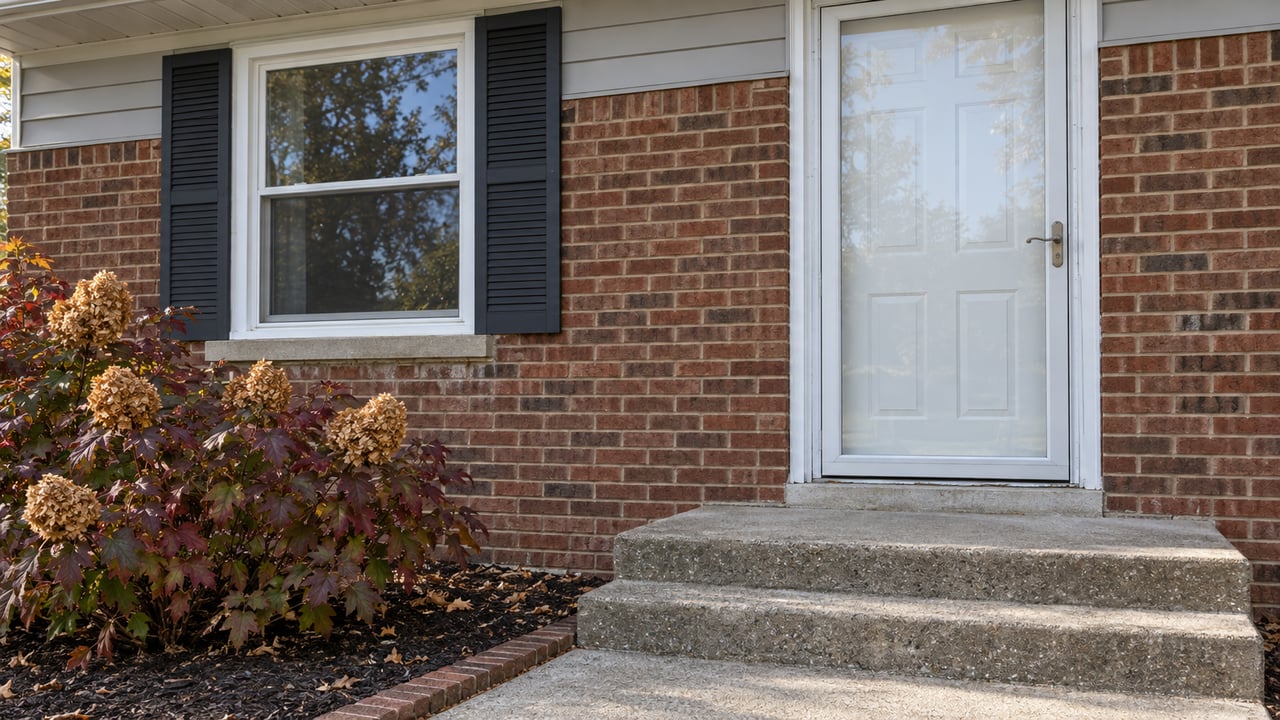
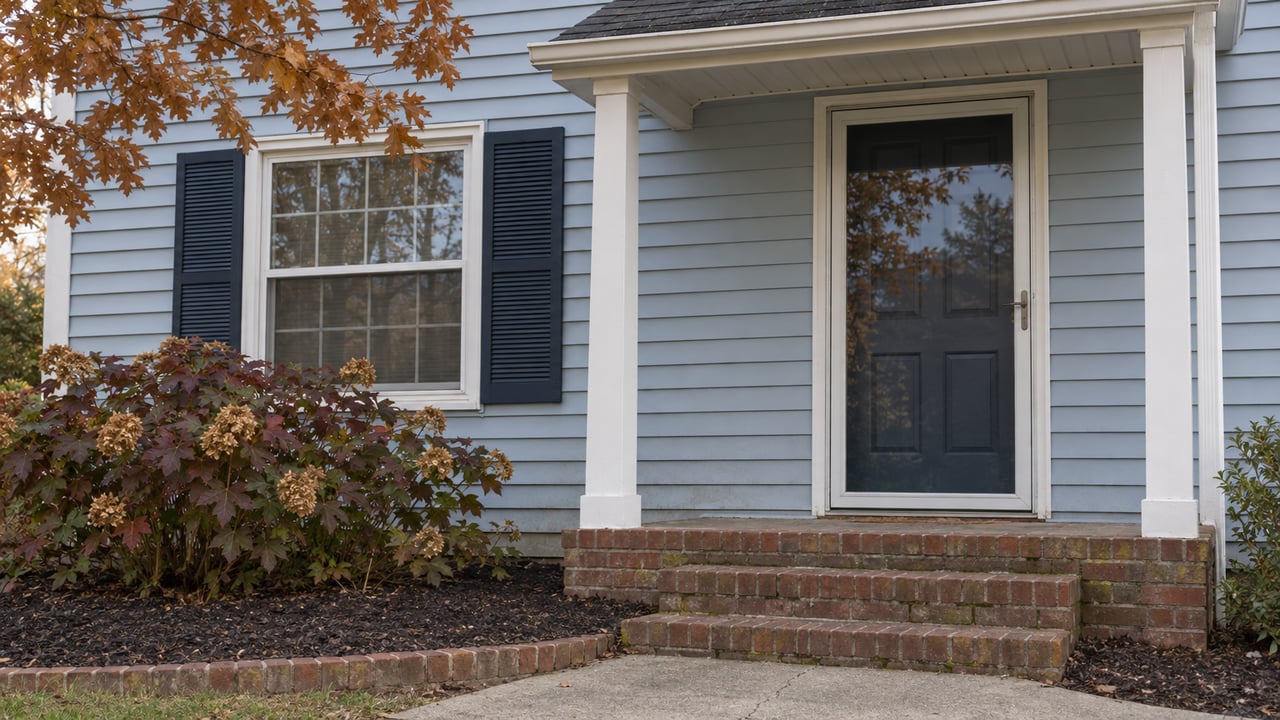
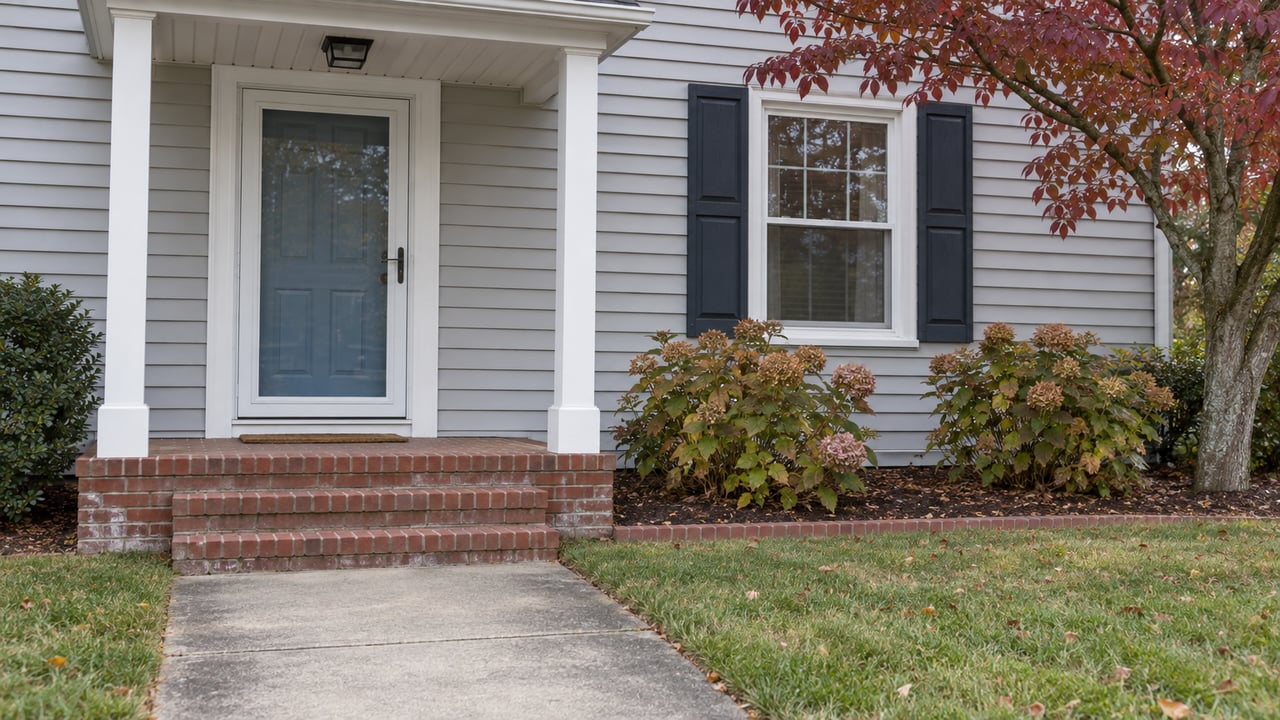
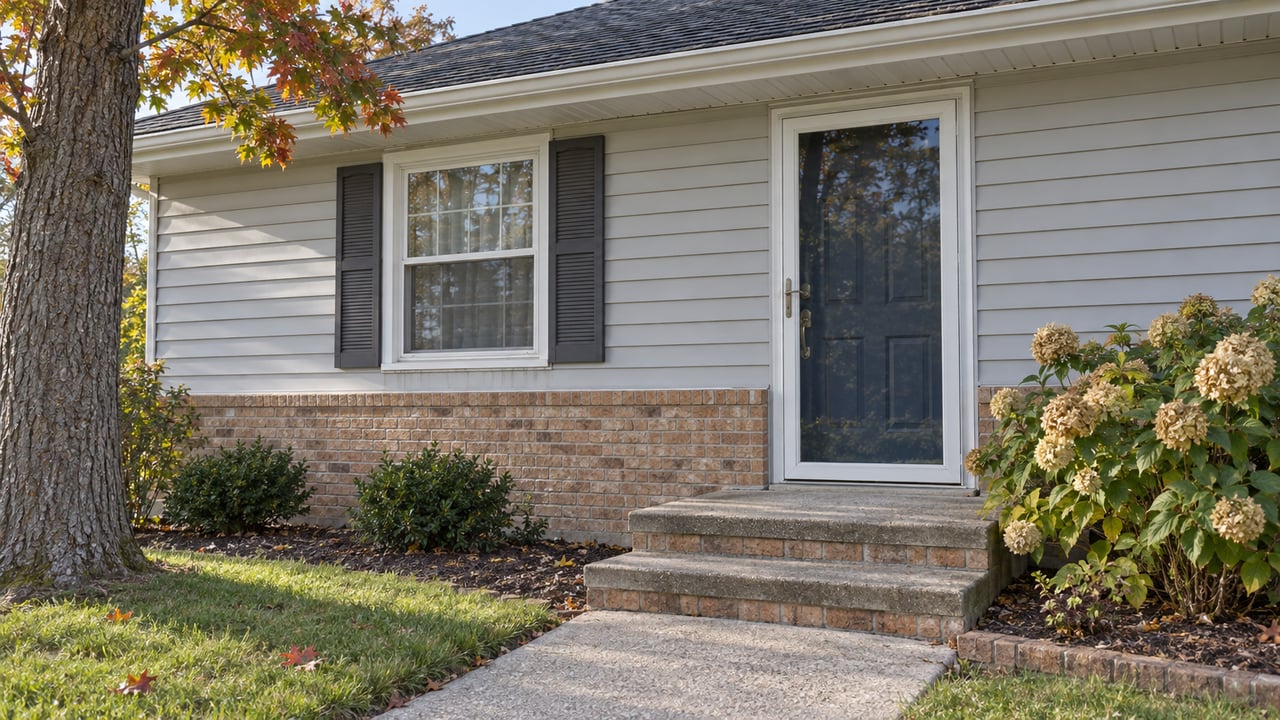
Prefer a private yard and a wooded setting? A smaller ranch, cottage, or low-maintenance colonial preserves privacy and green space with a lighter footprint. You still budget for roof, systems, landscaping, and any coastal items like bulkheads where applicable.
Age-qualified options
If convenience and services rank higher than a private lot, consider age-qualified communities. Many include exterior maintenance and social programming, which can reduce day-to-day responsibilities while keeping you connected.
Keep the North Shore lifestyle
You can right-size without losing what you love. Use this quick filter when you tour homes:
- Aim for walkability to village centers, marinas, and cafés, or a short drive to your harbor or boat launch.
- Compare smaller single-family lots in wooded hamlets to townhome or condo communities with mature landscaping and tree buffers.
- If you work or play in the city, weigh LIC and Queens for cultural access and shorter commutes while keeping weekend ties to your North Shore routine.
Insurance, flood, and septic basics
Waterfront and low-elevation properties price flood insurance on a property-by-property basis under FEMA’s Risk Rating 2.0. Check maps and potential premiums early, ask about waiting periods, and get quotes from an NFIP and private-flood specialist so your carry costs are clear. Start with FEMA’s Risk Rating 2.0 fact sheet.
Many Suffolk homes use septic systems or older cesspools. New York and local programs encourage replacement with nitrogen-reducing systems, which can affect budgets and permitting timelines. Confirm system type, upgrade status, and any grant eligibility before you list or bid. See regional program details at the Long Island Sound partnership site.
Costs, taxes, and your bottom line
Capital gains on your primary home
Many downsizers qualify for the federal home-sale exclusion under IRC §121. If you meet ownership and use tests, you may exclude up to $250,000 of gain if single or up to $500,000 if married filing jointly. Review the rules and exceptions in IRS Publication 523 and consult your tax advisor.
New York transfer taxes and NYC closings
New York State imposes a real estate transfer tax calculated at 0.4 percent of the sale price. High-value transactions may involve additional taxes. See the state’s breakdown on the NY tax page.
If you buy or sell in New York City, budget for the City’s Real Property Transfer Tax. For most residential transfers, the rate is 1 percent up to $500,000 and 1.425 percent above that threshold. Confirm applicable rates on the NYC Department of Finance site.
Commissions and net-proceeds examples
Commissions are negotiated, but they are a major line item. Use a simple worksheet so you know your range before you shop for the next home. Here are quick, hypothetical calculations that subtract only a 5.5 percent commission and the NYS 0.4 percent transfer tax. Your actual costs will vary.
- $700,000 sale: Commission $38,500. Transfer tax $2,800. Estimated net before other costs and payoff: $658,700.
- $1,200,000 sale: Commission $66,000. Transfer tax $4,800. Estimated net before other costs and payoff: $1,129,200.
- $2,000,000 sale: Commission $110,000. Transfer tax $8,000. Estimated net before other costs and payoff: $1,882,000.
Also compare property taxes if you are moving between Suffolk and NYC. Assessment methods and exemptions differ, so review actual bills by address rather than relying on rough percentages.
Sequence your sale and purchase
You have several paths. The right choice depends on your finances, risk tolerance, and the micro-market for your home type.
- Sell first, then buy: You know your cash and avoid carrying two mortgages. You may need temporary housing between closings.
- Buy first with financing: A bridge loan or HELOC can help you make a strong, non-contingent offer, then pay off the short-term loan with sale proceeds. Learn how bridge loans work in this overview.
- Sale contingency: Sometimes acceptable in softer segments, but less competitive in hot village or coastal submarkets.
- Seller rent-back: Negotiate a short post-closing occupancy so you can move once. Set clear terms on rent, deposits, and move-out dates with your attorney.
A practical timeline
- 3 to 6 months out: Interview listing agents, get a comparative market analysis, and order a pre-listing inspection. If you plan to buy first, secure pre-approval and discuss bridge or HELOC options.
- 1 to 2 months out: Complete high-impact repairs, declutter, and stage. Build a net-proceeds estimate that includes transfer taxes and any expected insurance or septic items.
- List and launch: Aim for early spring if possible. Negotiate closing dates, and consider a rent-back or bridge financing to reduce stress.
Quick downsizing checklist
- Get a pricing opinion and run a realistic net-proceeds worksheet.
- Clarify financing early, including bridge or HELOC options if buying first.
- Order inspections and review septic status, elevation certificates, and flood quotes.
- Start right-sizing your belongings; consider a Senior Move Manager.
- Schedule professional staging and photography timed to the spring window.
Protecting lifestyle while right-sizing is absolutely possible. With clear numbers, smart product choices, and a tight timeline, you can trade square footage for freedom and keep your North Shore rhythm intact. If you want a customized plan, valuations, and a coordinated sale-to-purchase strategy, reach out to The Port Jefferson Team for local guidance backed by SERHANT. marketing reach.
FAQs
What should Suffolk downsizers know about taxes?
- New York State charges a 0.4 percent transfer tax, and some high-value deals include additional taxes. Many sellers can exclude part of their gain under federal rules if they meet ownership and use tests. Review the details on the NY tax page and IRS Publication 523.
How can I keep waterfront access after downsizing?
- Consider a condo or townhome near marinas or a smaller single-family home within a short drive of your harbor. Get flood quotes under FEMA’s Risk Rating 2.0 early so carrying costs do not surprise you.
What is different about buying a Queens or LIC co-op?
- Co-ops often require higher down payments, detailed financial reviews, and board approval, which can extend timelines. Clarify building rules on financing, renovations, and subletting before you make an offer.
Is spring still the best time to list on the North Shore?
- Spring into early summer typically brings more buyers and faster traffic, especially for well-prepared village and coastal homes. Your agent can fine-tune timing based on your neighborhood and price band.
Should I sell first or buy first when I downsize?
- Selling first gives certainty and reduces risk. Buying first can secure the right place if you qualify for short-term financing. You can also negotiate a rent-back to avoid two moves.