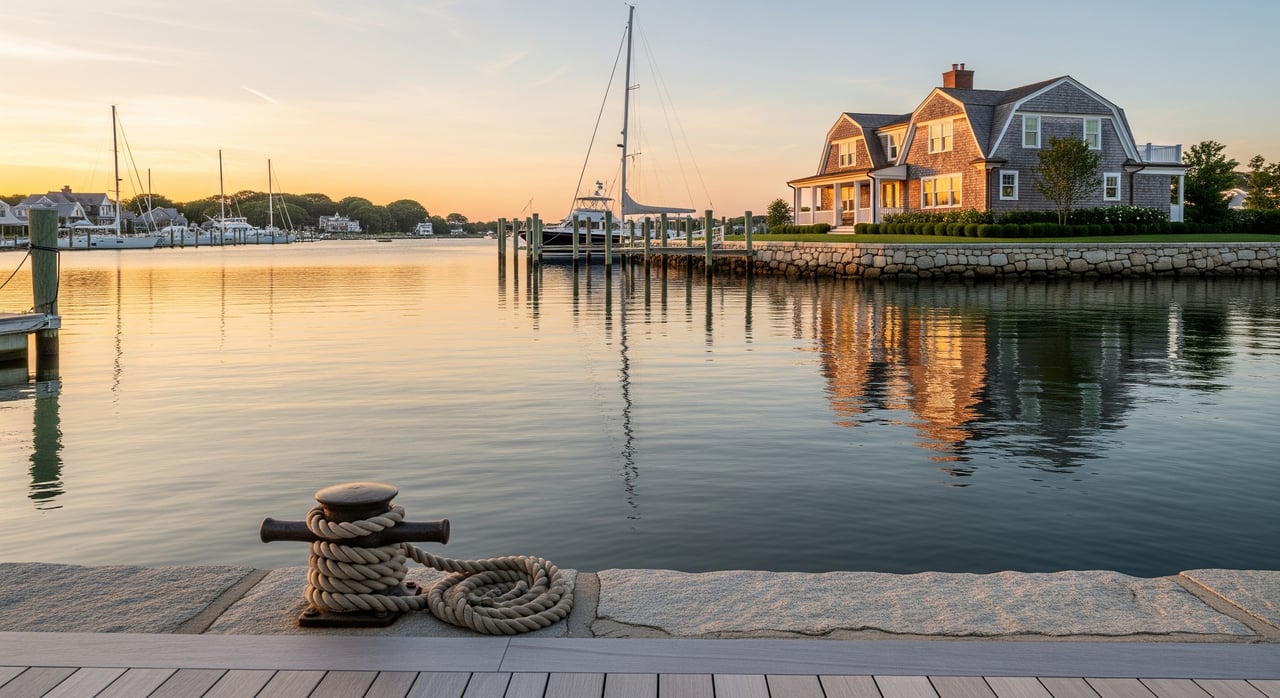
Picture a harbor where sailboats glide past a brick-lined Main Street and the smell of saltwater mixes with fresh coffee. If you are drawn to coastal living with a true village center, Port Jefferson on Long Island’s North Shore may be on your shortlist. This guide gives you a clear view of daily life, housing options, commute realities, and the tradeoffs that come with a waterfront village. By the end, you will know whether Port Jefferson fits your lifestyle and how to take the next step. Let’s dive in.
Harbor village at a glance
Port Jefferson is a compact harborfront village in Suffolk County with a strong maritime identity. The working and recreational harbor sets the tone, from marinas and ferry activity to promenade walks and summer events. The downtown core is walkable, with restaurants, cafes, boutiques, and small cultural venues clustered near the water.
The village is active year-round. You will notice more visitors in warmer months, when boaters and day-trippers arrive and outdoor dining fills up. Many residents appreciate the energy and seasonal festivals. Others prefer the quieter rhythm of fall and winter. Either way, you get a small-town feel with access to regional employers and services close by.
Housing and neighborhoods
You will find a mix of architectural styles and price points. Older single-family homes, including Victorian and mid-century, sit near waterfront cottages, townhouse and condominium communities, and a selection of rental apartments. Waterfront and harbor-view properties tend to command a premium, while homes farther inland or in adjacent hamlets can be more budget-friendly.
Immediate neighbors include Port Jefferson Station, Terryville, Mount Sinai, and parts of Brookhaven and Stony Brook. These areas offer different housing stock and commuting setups, which can be helpful if you want proximity to the village without the waterfront premium. If you are planning renovations or new construction, pay close attention to local zoning, possible historic overlays, and waterfront regulations that may affect approvals and timelines.
For long-term ownership near the water, factor in flood zones. Many harborfront and near-shore parcels sit in FEMA-designated zones that can affect mortgage requirements and insurance premiums. It is smart to review parcel-level maps and speak early with an insurance professional about National Flood Insurance Program policies and private options.
Commute and getting around
Port Jefferson is the terminus of the Long Island Rail Road’s Port Jefferson Branch. Typical trips to Midtown Manhattan often involve a transfer, and service patterns vary by time of day and season. You will want to check current schedules and station parking details before you set a routine.
The Bridgeport and Port Jefferson ferry operates year-round and connects you to southwestern Connecticut. It can be a time-saver for cross-Sound travel or weekend getaways. Schedules and capacity change seasonally, so plan ahead during peak periods.
By car, the drive to Manhattan commonly ranges from about 1.5 to 2 or more hours, depending on traffic. You reach major arteries like the Long Island Expressway by local roads before heading west. Locally, the village center is very walkable, and Suffolk County transit serves the area with bus routes, though frequency is lower than in urban locations.
Everyday amenities and fun
Dining and retail cluster along Main Street and the harbor. You can grab a casual seafood lunch, enjoy a sit-down bistro dinner, or pick up takeout before a show. The retail mix leans toward independent shops and local chains. For big-box shopping and larger grocery options, expect a short drive to surrounding hamlets.
Outdoor time comes easy. Harborfront promenades are ideal for strolling, and marinas serve recreational boaters. If you are a boat owner, look into slip availability and seasonal dockage early. Waiting lists can be common. Beaches, preserves, and regional parks nearby offer swimming, birding, and trails for a quick change of scenery.
Cultural life is lively for a village of this size. You will find small theaters, galleries, and community organizations that host concerts and seasonal events, especially in summer. The calendar stays active with a steady flow of local programming that keeps residents engaged beyond beach season.
Schools and healthcare
Port Jefferson is served by a local public K–12 school district with a small-district feel. Program offerings and performance vary by year, so review official state report cards and district resources to understand the latest. If you are considering private options, the broader region offers additional choices within a reasonable drive.
Healthcare access is strong for a village setting. Regional hospitals and urgent care centers are nearby, and Stony Brook University Hospital is a major medical center within a short drive. Day-to-day needs like dental care and pharmacies are available locally.
Costs, taxes and insurance
North Shore harbor villages often carry higher housing costs than inland parts of Suffolk County. Property taxes on Long Island are generally among the highest in the country, and village and school taxes can be a significant part of your annual budget. Review recent tax bills for any property you consider and include them in your total monthly calculation.
If you are looking at coastal properties, budget for potential insurance differences and maintenance related to salt air and marine exposure. Materials and systems may weather faster near the water, and premiums can be higher for homes in certain zones or elevation categories.
Seasons, noise and crowding
Expect a clear seasonal rhythm. Summer brings more visitors, increased traffic, and a livelier nightlife in the village core. Parking can be tighter on weekends and during events. Many residents enjoy the buzz and extended hours that come with the season. Others prefer the calmer off-season when restaurants, shops, and parks feel more relaxed.
If you value quiet, consider how close you want to be to Main Street, marinas, and event venues. A few blocks can make a meaningful difference in noise and parking demand during peak times.
Flood and environmental risk
Coastal living requires a long-term view of risk. Nor’easters, occasional tropical systems, and tidal surges can affect low-lying areas. It is important to review flood maps, elevation certificates, and local resiliency planning documents when you evaluate properties near the harbor or shoreline.
Work with your insurance broker early to understand options for flood coverage and deductibles. Ask sellers for prior claims and any mitigation measures in place, such as elevated utilities, flood vents, or drainage improvements. These details influence both cost and peace of mind.
Who Port Jefferson fits
Port Jefferson tends to attract people who want a harbor lifestyle with a real village center. It works well if you value walkability for dining and culture, and you are comfortable with a commute that may involve a transfer or a ferry. Remote and hybrid workers often appreciate having a coastal home base with quick access to regional institutions like Stony Brook University and nearby research and healthcare hubs.
Families who like a small-district environment and proximity to parks and beaches often consider the village and surrounding hamlets. If you are a boater, the harbor amenities and marine services are a standout. If you are a seller, buyers seeking this lifestyle often watch the village closely, especially for homes with views or easy access to Main Street.
Smart steps for buyers
Buying in a waterfront village is part lifestyle and part due diligence. Use this quick checklist as you plan:
- Define your location priorities: walk-to-Main-Street, water views, or quieter inland streets.
- Clarify commute options: LIRR transfer patterns, ferry timing, and station parking.
- Model total cost: mortgage, taxes, flood and homeowners insurance, maintenance.
- Investigate zoning and overlays: historic, waterfront, or environmental rules that affect renovation plans.
- Ask targeted property questions: elevation certificates, flood history, and any mitigation improvements.
- Book inspections early: coastal systems, drainage, and structural integrity deserve close attention.
Working with a local team
When you shop in a village with seasonal dynamics and specialized zoning, local guidance can save you time and money. A team that knows the streets, parking rhythms, marina realities, and building department processes can surface the right options and help you avoid costly surprises. If you are selling, premium creative and broad distribution reach buyers from across Long Island and New York City who are looking for a harbor lifestyle.
If Port Jefferson is on your radar, connect with the experts who live and work here every day. Reach out to The Port Jefferson Team for neighborhood insights, a plan for your search, or a data-backed valuation of your current home.
FAQs
Is Port Jefferson a year-round community?
- Yes, it is a year-round village with noticeably more activity in summer due to boaters, day-trippers, and seasonal events.
How walkable is downtown Port Jefferson?
- The village core around Main Street and the harbor is walkable for dining, shops, and cultural spots, while many errands still require a short drive.
What are the commute options to NYC from Port Jefferson?
- You can take the LIRR Port Jefferson Branch, often with a transfer, drive via the Long Island Expressway, or use the year-round ferry to reach Connecticut.
What should I know about flood insurance in Port Jefferson?
- Many near-shore properties are in FEMA flood zones, which can affect mortgage requirements and premiums, so review maps and speak with an insurance broker early.
How do property taxes in Port Jefferson compare?
- Long Island property taxes are generally among the highest in the U.S., and village and school taxes are key budget items to review before you buy.