Thinking about leaving NYC for more space on the North Shore of Long Island? If Stony Brook or Setauket is on your list, you are probably weighing a big lifestyle shift, not just a change of address. From commute patterns to neighborhood feel, this move comes with tradeoffs worth understanding before you start touring homes. Let’s dive in.
Why NYC Buyers Look at Stony Brook and Setauket
For many city buyers, Stony Brook and Setauket offer something hard to find in NYC: more square footage, quieter residential streets, and a coastal-historic setting that still keeps you connected to the city. The broader Three Village area includes the Setaukets, Stony Brook, Old Field, and Poquott, which helps explain why the area feels varied rather than one-note suburban. According to the Three Village Historical Society, the region dates back to 1655 and developed from farming and shipbuilding roots.
The move also often means adjusting to a different daily rhythm. Census QuickFacts shows a mean travel time to work of 30.2 minutes in East Setauket and 29.7 minutes in Stony Brook, with median household incomes of $149,820 and $174,872 respectively, pointing to a higher-income suburban market where commuting tends to be more train- and car-oriented than in the city, as shown in Census QuickFacts for East Setauket.
Understand the Location First
One important detail: Stony Brook and Setauket are in Suffolk County, not Nassau County. They sit on Long Island’s North Shore and are closely tied through the Three Village area. If you are relocating from Manhattan or Brooklyn, that means your search is really about how far east you want to go for the lifestyle you want.
That distinction matters because your commute, errands, and home style options all change once you move into this part of Suffolk County. You are not choosing between two isolated towns. You are choosing among connected North Shore communities with different rhythms and housing environments.
What the Commute Really Feels Like
If you plan to keep working in Manhattan or Brooklyn, your commute should be one of your first filters. Stony Brook is on the Long Island Rail Road Port Jefferson Branch, and the current Port Jefferson Branch timetable includes service to Penn Station, Grand Central, Atlantic Terminal, Long Island City, Hunterspoint Avenue, Jamaica, and Port Jefferson.
That said, this is not a hop-on, hop-off subway routine. The timetable specifically notes that riders traveling west of Jamaica should use TrainTime or a City Terminal Zone timetable to check transfer options, which means your real commute depends on the exact train and transfer pattern tied to your work schedule.
Brooklyn commuters need a closer look
If you work in Brooklyn, it helps to know that Atlantic Terminal is listed on the branch timetable. Still, the more useful question is not whether Brooklyn is technically served. It is whether your specific work hours line up with a practical transfer pattern.
For many buyers, that is why a test commute matters so much. Before making an offer, it is smart to try the route you would actually use on a real weekday.
Stony Brook station basics
The Stony Brook station page shows that the station is accessible and includes ramps, tactile warning strips, audiovisual passenger information, ticket machines, and connections to the Stony Brook University shuttle and Suffolk County Transit. It does not have a ticket office, which is a reminder that this is a suburban station setup rather than a full-service urban transit hub.
In practical terms, many buyers find that living here works best with a car or at least a very car-friendly routine. Even if you take the train into the city, local daily life usually involves driving for errands, activities, and appointments.
Budget for the Commute
Train costs are part of the relocation math. According to the current LIRR fare chart, Stony Brook is a Zone 10 station. A Zone 10 to Zone 1 monthly pass is $394.50, a weekly pass is $140.25, a one-way peak ticket is $21.50, and a one-way off-peak ticket is $16.00.
If you are used to city transit costs, that can be a noticeable jump. It is also important to know that CityTicket only applies within NYC or between Zone 1 and Zone 3, so it does not reduce the cost of a Stony Brook commute.
How Stony Brook and Setauket Feel Different
One of the biggest mistakes NYC buyers make is assuming this area has one uniform vibe. It does not. A better way to think about it is by lifestyle bucket: village-center convenience, inland residential neighborhoods, and waterfront or privacy-focused settings.
Stony Brook Village convenience
If walkability and a central setting matter to you, Stony Brook Village Center is the clearest village-core option. The harbor setting, shops, eateries, village green, grist mill, and lodging give this area a more defined center than many suburban communities.
For a buyer coming from NYC, this can feel like a comfortable middle ground. You still get a neighborhood center and places to go, even though your day-to-day life is very different from the city.
Setauket and nearby residential pockets
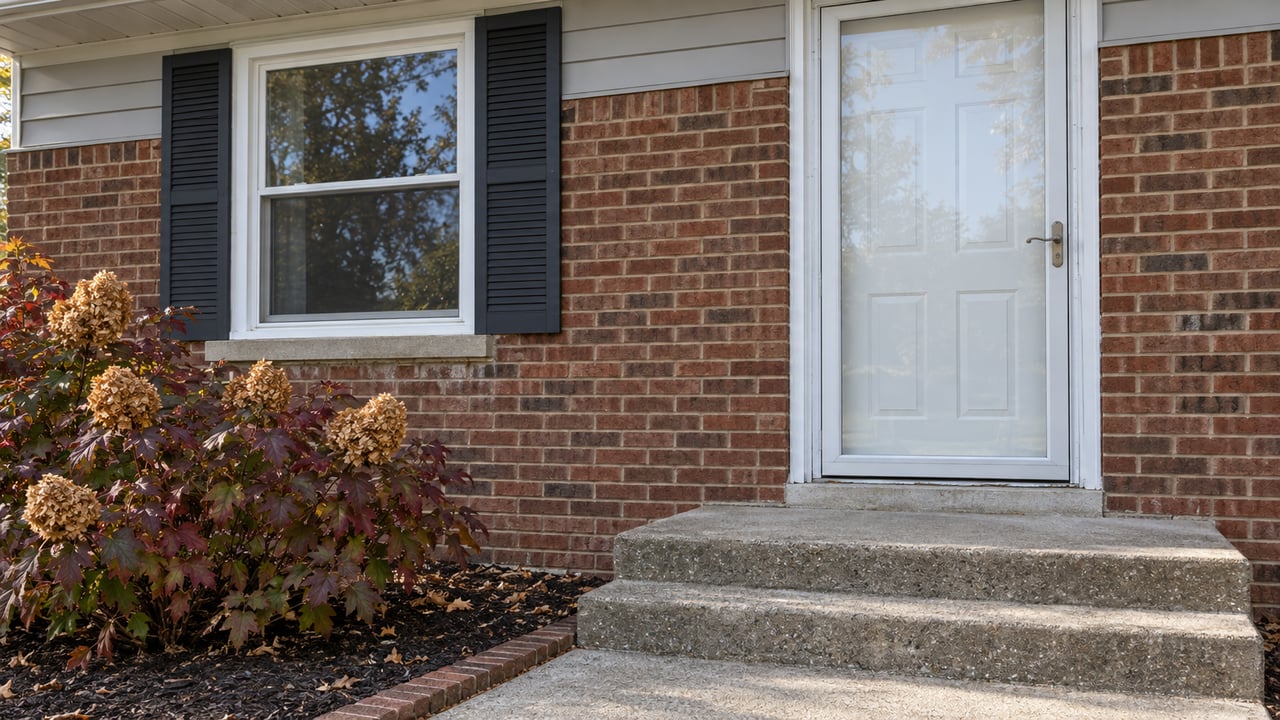
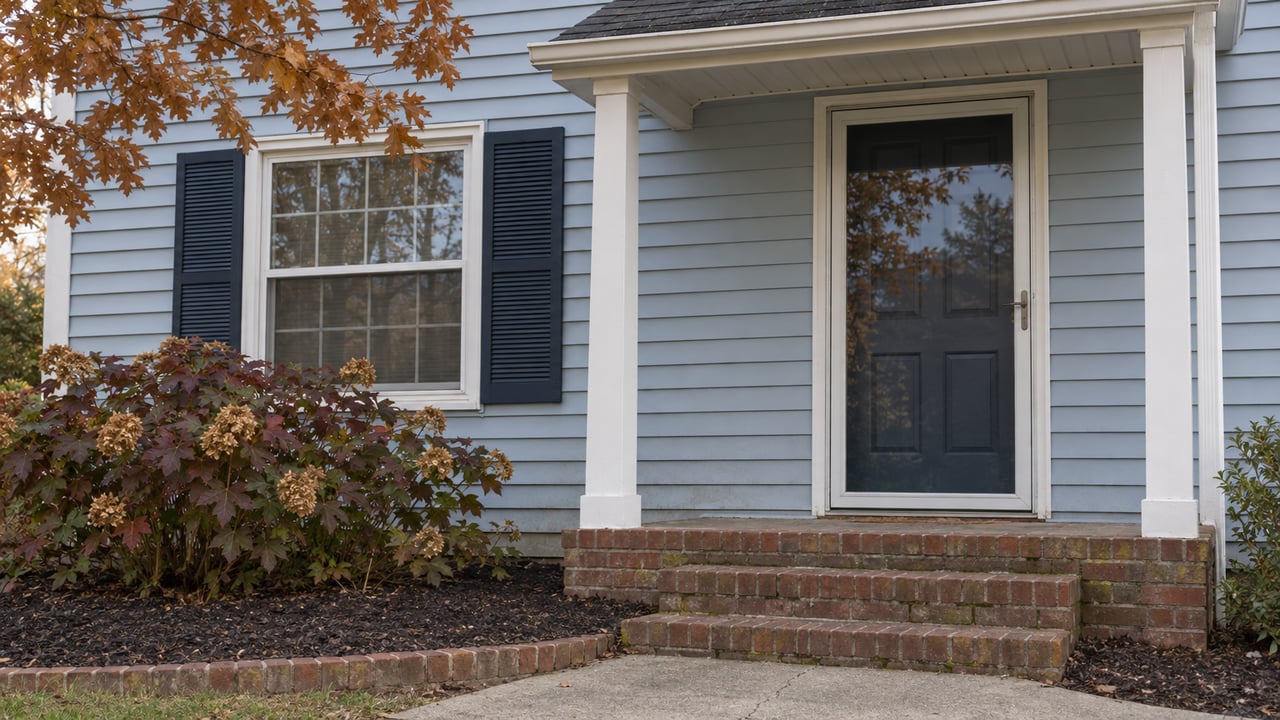
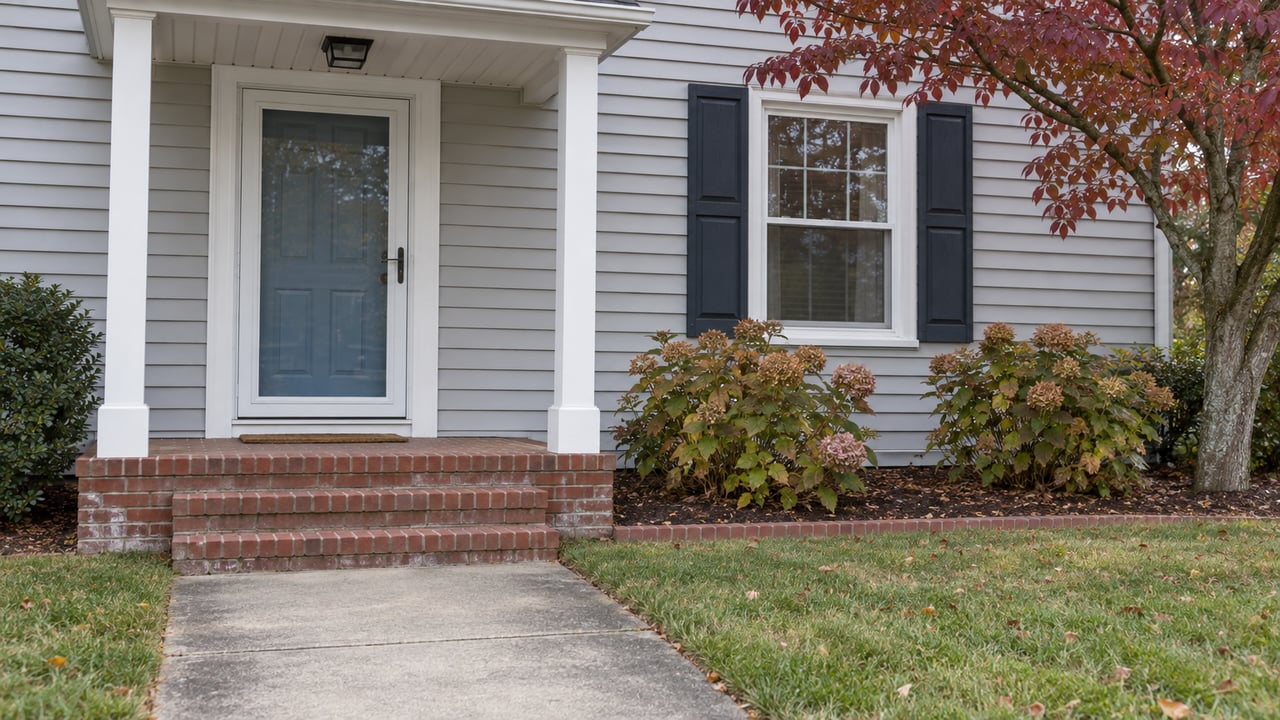
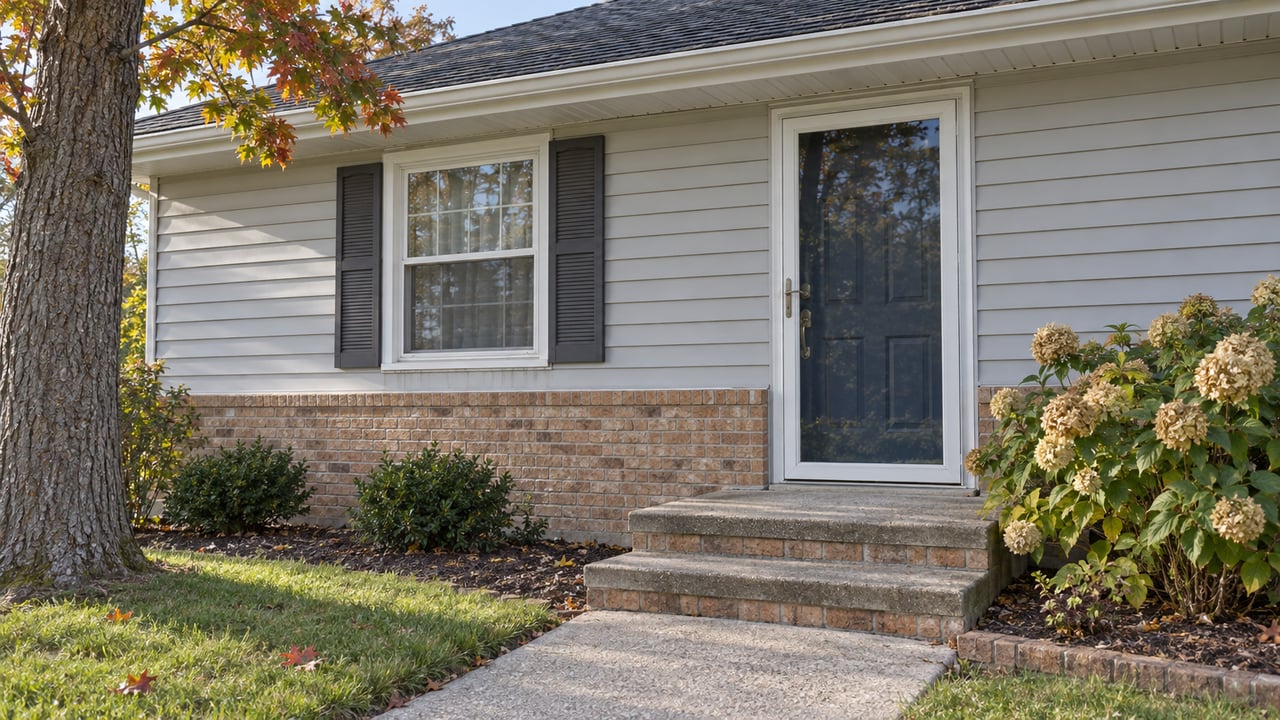
If you want a more traditional residential feel, Setauket and East Setauket offer the kind of neighborhood setting many move-up buyers are looking for. These areas tend to appeal to buyers focused on interior space, lot size, and a quieter day-to-day environment.
This is often where the suburban trade becomes most visible. You may gain more home and outdoor space, but you will usually rely more on driving and planning your week differently than you did in NYC.
Old Field and privacy-oriented living
For buyers drawn to waterfront surroundings or a more private setting, Old Field stands out. Its official village profile emphasizes natural beauty, Whitehall Beach, Flax Pond, and a residential North Shore character.
That makes it a very different experience from village-center living. If your priority is scenery, privacy, and a more tucked-away setting, this part of the area may deserve a closer look.
Schools and Services Matter in the Search
If schools are part of your move decision, the Three Village Central School District is often a major factor. The district says it serves about 5,500 students, offers 27 AP courses, and has a 97% four-year graduation rate. The district also lists nine schools, including Arrowhead, Minnesauke, Nassakeag, Setauket, W.S. Mount, P.J. Gelinas, R.C. Murphy, Ward Melville High School, and The Three Village Academy on the Three Village Central School District website.
Even if schools are not the main reason for your move, they often shape how buyers narrow their search. In this area, district alignment can be one of the clearest ways to organize options.
Healthcare access is another practical factor. Stony Brook Medicine describes itself as the premier academic medical center in Suffolk County, with more than 1,400 physicians, nearly 150 specialties, and more than 200 outpatient care sites. Mather Hospital in Port Jefferson describes itself as a 249-bed community teaching hospital.
The Best Way to Structure Your Search
If you are still living in NYC while house hunting, it helps to keep your search process simple and realistic. The best order is usually commute first, school fit second, and neighborhood feel third. That structure keeps you focused on the factors that are hardest to change after closing.
A real-time commute test should be part of your plan, especially if you expect to travel to Manhattan or Brooklyn regularly. Then schedule a second visit built around lifestyle, not just showings.
Do two different visits
Your first visit should focus on the weekday reality:
- Drive local roads during peak times
- Visit the train station you would actually use
- Time the trip to your workplace or transfer point
- Notice what errands feel like without a city-style transit network
Your second visit should focus on weekend life:
- Walk village streets
- Try local dining or coffee spots
- Explore parks or waterfront areas
- Compare how different pockets feel at a slower pace
That side-by-side comparison often helps buyers figure out whether they want village access, a conventional residential street, or more privacy near the water.
Is This Move Right for You?
Relocating from NYC to Stony Brook or Setauket can be a great fit if you want more space, a North Shore setting, and a home base that feels calmer than the city. But the lifestyle works best when you go in with clear eyes about commuting, car use, and the differences between neighborhood types.
If you are planning the move, the smartest next step is not just browsing listings. It is building a search around how you actually live, work, and commute. When you are ready for local guidance, The Port Jefferson Team can help you compare neighborhoods, plan a smart search, and navigate the move with confidence.
FAQs
Can you commute from Stony Brook to Manhattan every day?
- Yes, but the commute depends on the Long Island Rail Road schedule, your destination, and possible transfers west of Jamaica, so it is best to test your exact route in real time.
Can you commute from Stony Brook to Brooklyn for work?
- Yes, the Port Jefferson Branch timetable includes Atlantic Terminal, but Brooklyn commuters should check the exact train and transfer pattern that matches their work hours.
Do you need a car in Stony Brook or Setauket?
- For most buyers, yes, or at least a very car-friendly plan, because local daily life is more suburban and less transit-centered than in NYC.
Which area feels most walkable near Stony Brook and Setauket?
- Stony Brook Village Center is the clearest option for village-core convenience and a more walkable setting.
What school district serves Stony Brook and East Setauket?
- The Three Village Central School District serves schools in Stony Brook and East Setauket and is often a key part of the home search.
What should NYC buyers test before buying in Setauket or Stony Brook?
- You should test your real weekday commute, station routine, local traffic patterns, and weekend lifestyle to make sure the area fits how you plan to live.