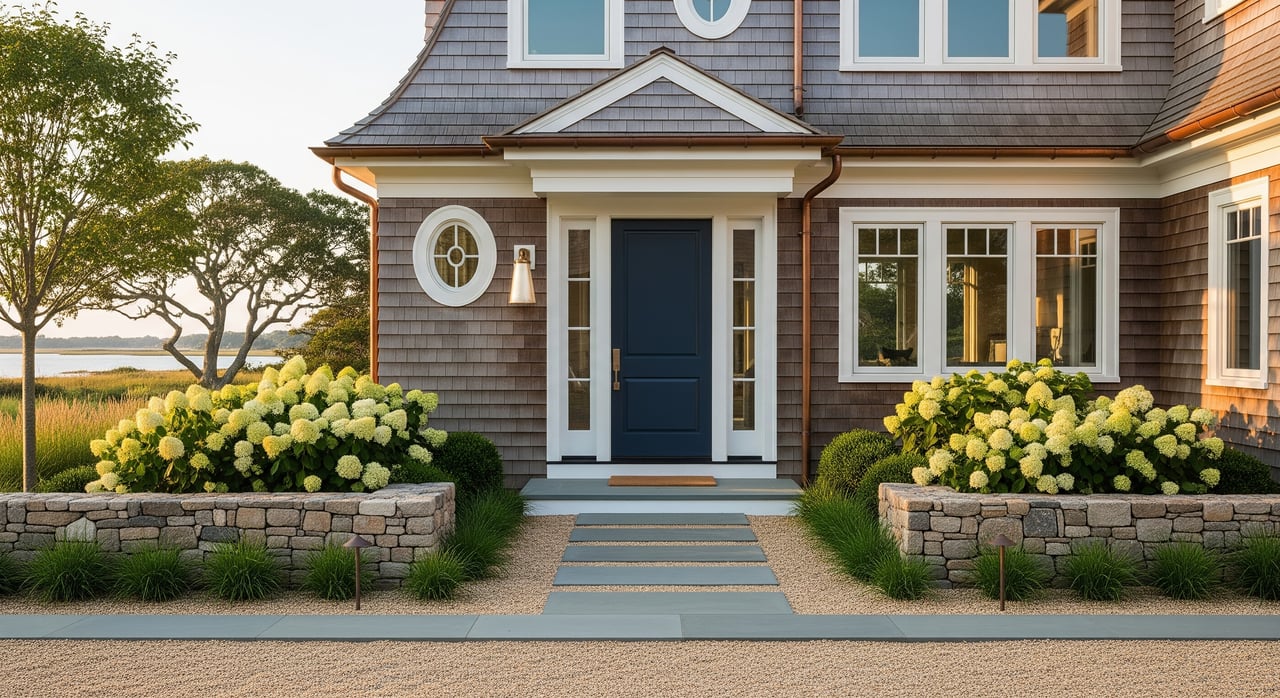
Salt air, wind, and a classic village vibe give Stony Brook homes a look you can’t fake. If you want your curb appeal to feel truly North Shore, you need choices that fit the local character and stand up to coastal conditions. In this guide, you’ll find design ideas, durable materials, salt‑tolerant plants, and a clear checklist so you can refresh your entry with confidence. Let’s dive in.
What “coastal” means in Stony Brook
Stony Brook’s village center was shaped to evoke a New England clapboard aesthetic with shingles, stone, and hedges. You see it in the storefronts and lanes around the historic core. If you lean into that palette, your curb appeal will feel authentic to the area’s heritage. You can explore that local context through the Stony Brook Village Center.
Homes near Long Island Sound face salt spray, wind, and higher corrosion on metals. Local marine weather and tides reinforce that reality for waterfront and near‑shore blocks. You do not need to live on the water to feel those effects, so design with exposure in mind. For local conditions and context, check SBU marine weather resources.
Start with rules and site checks
Coastal projects are smoother when you confirm requirements early. A few quick lookups can save time, money, and stress.
Map your risk and regulations
- Pull your flood zone using the FEMA Flood Map Service Center.
- If you are near tidal areas, review the NYSDEC tidal wetlands permit guidance to see if your work might need approvals. Start with “Do I need a permit” for tidal wetlands at NYSDEC.
- Check if your lot falls within a Coastal Erosion Hazard Area and whether a permit applies using the CEHA overview.
Call the Town of Brookhaven
Confirm what requires a building or site permit before you order materials. Driveways, retaining walls, fences, decks, and grading often need approvals. Start with the Town of Brookhaven Building Division for a permit checklist and setbacks.
Design a North Shore look
You get the best results when your exterior finishes match local vernacular and your layout buffers wind and salt.
Materials and colors that fit
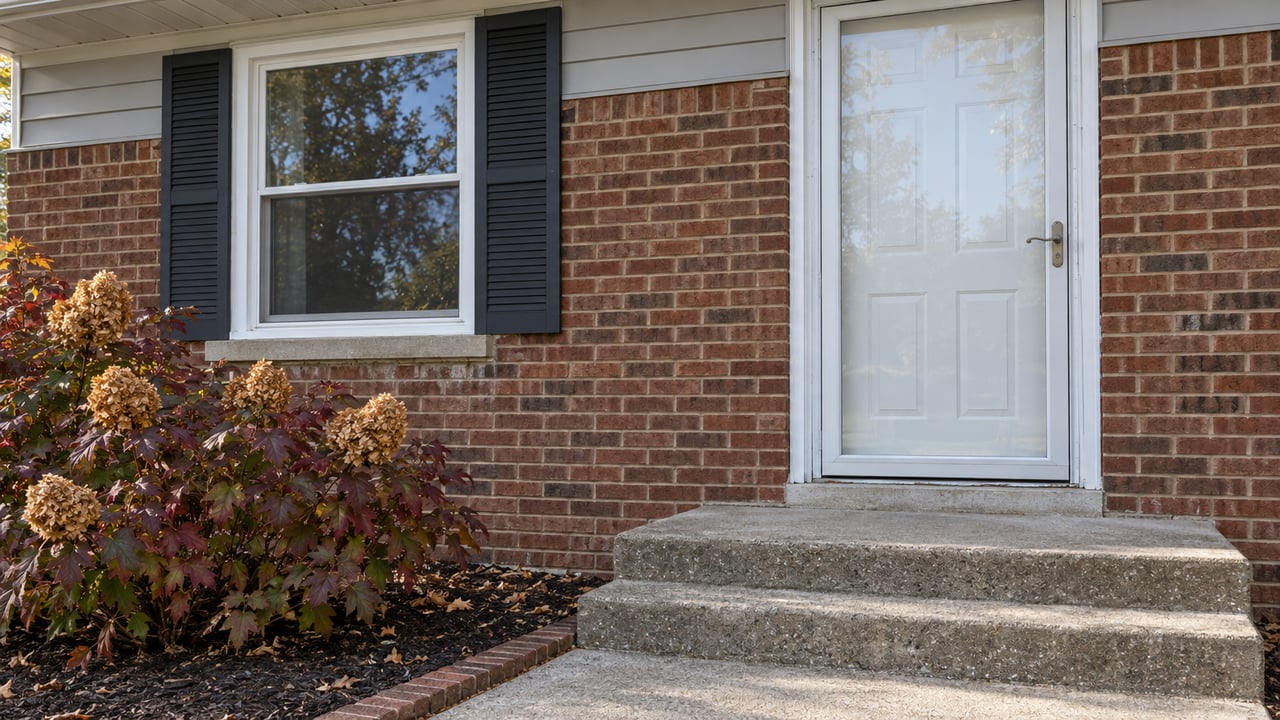
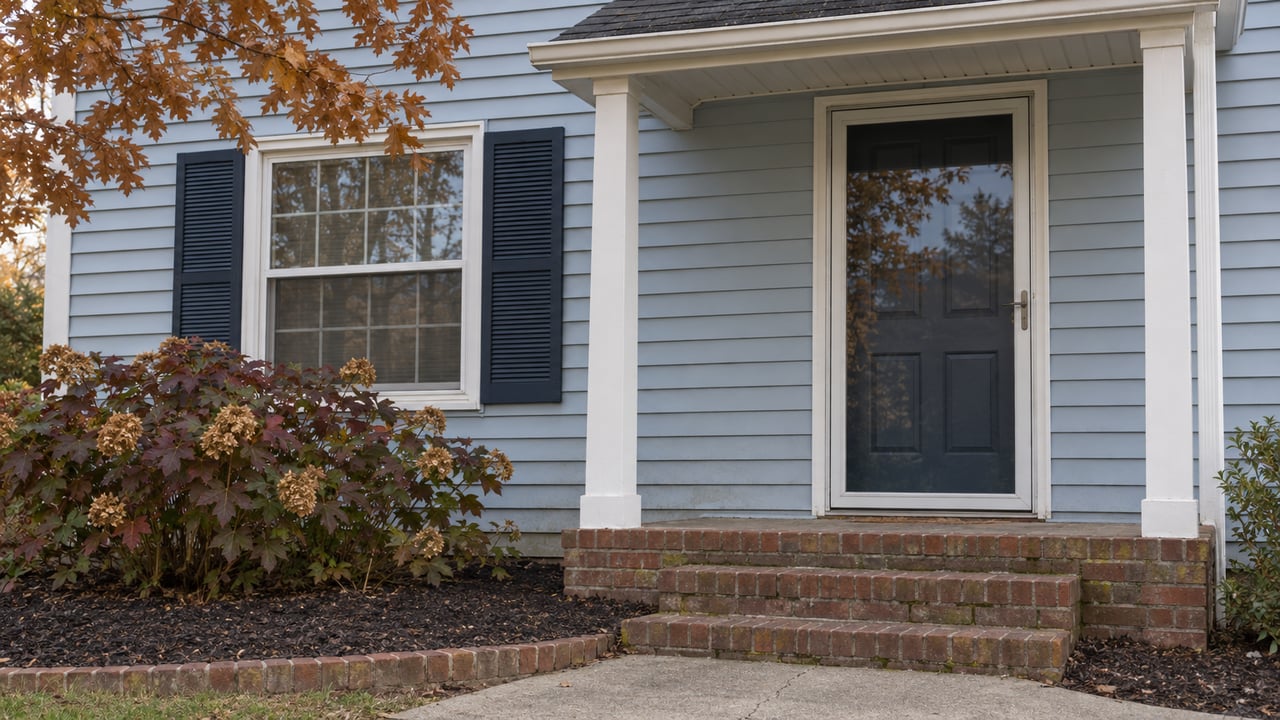
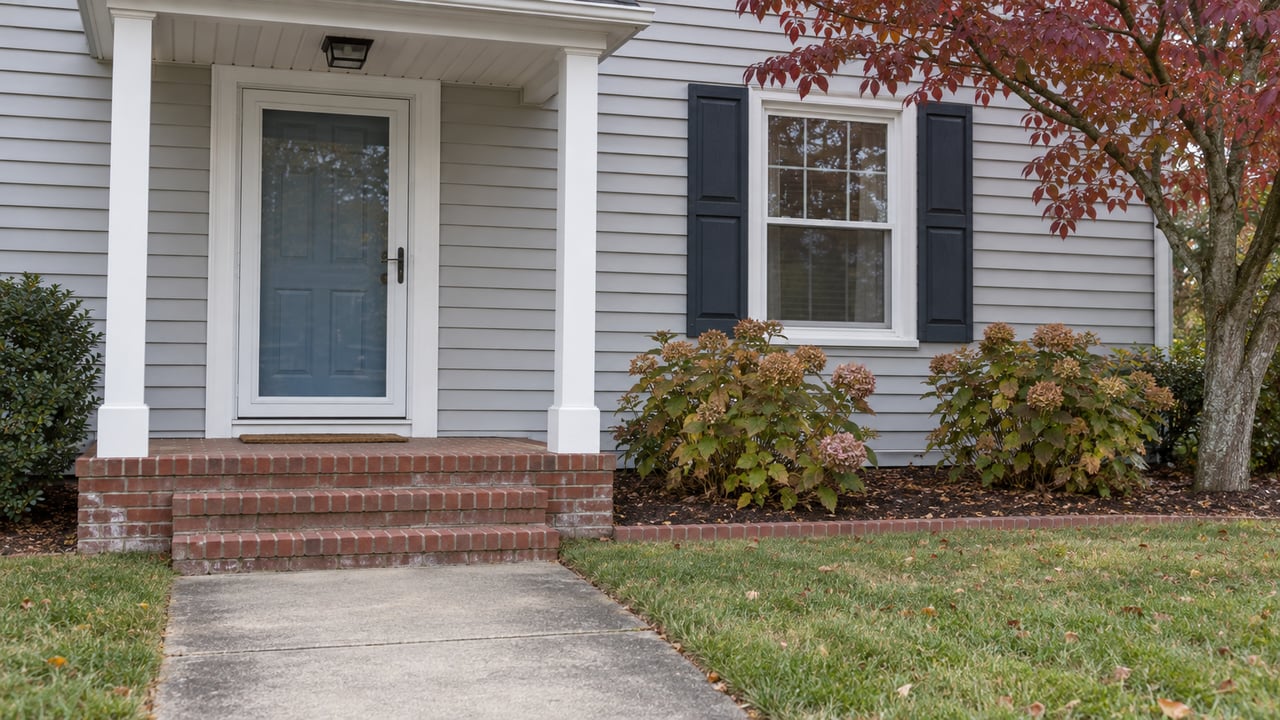
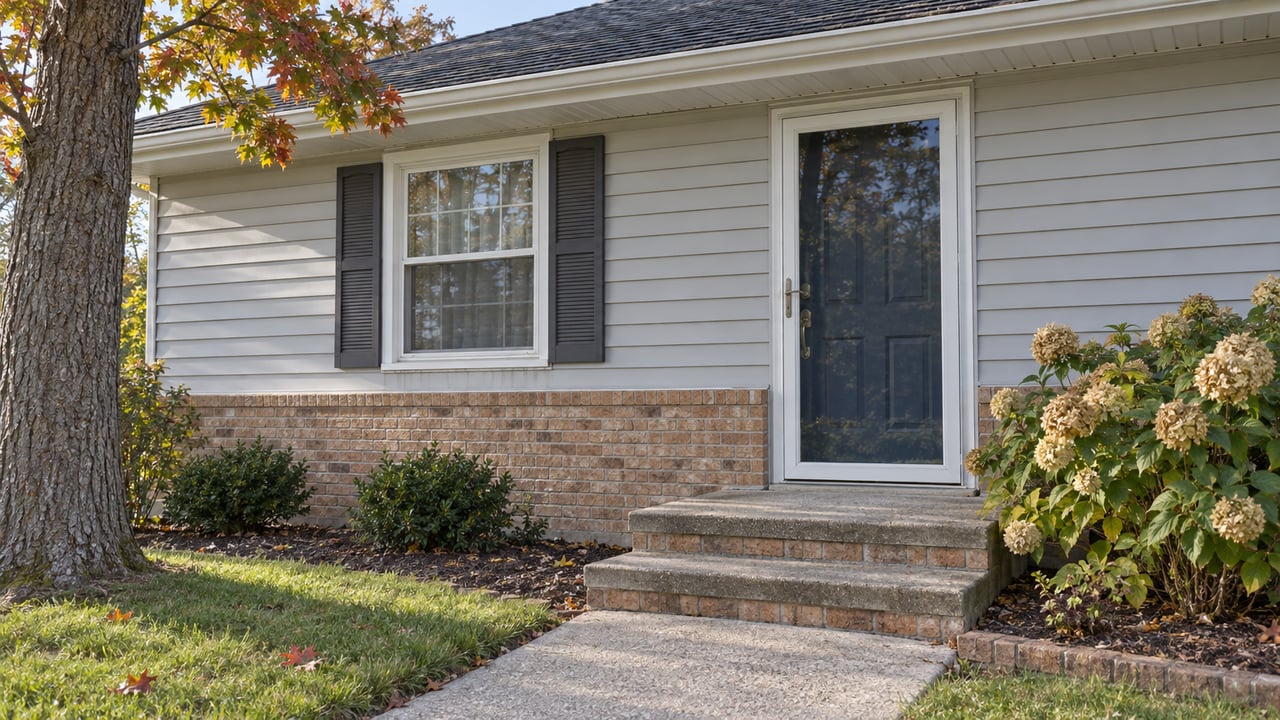
- Choose weathered neutrals: off‑white or soft gray clapboard, or natural cedar shingles. Low stone walls and bluestone or fieldstone paths feel right at home.
- Keep nautical touches subtle. A rope detail on a newel, a brass bell, or a simple house number plaque is plenty.
- Prioritize durability. Use exterior paint systems rated for coastal settings and seal masonry so freeze‑thaw cycles do not cause spalling.
Entry upgrades with big impact
- Refresh the front door with a coastal color, then repeat that hue on planters or shutters for cohesion.
- Add a bluestone walkway or a stone step with a slim hedge to create a clean, inviting line from curb to door.
- Keep the foundation planting simple. Mass plantings in a few species read tidy and reduce maintenance.
Lighting and hardware for salt air
Salt attacks exposed metals. For railings, fasteners, and exterior hardware, specify 316 stainless steel as a baseline for coastal performance. Learn why 316 matters from industry guidance on marine‑grade stainless. Choose sealed, marine‑rated fixtures in black or dark bronze and rinse them periodically to remove salt.
Plant palette that thrives here
Think in layers from the street or shoreline back toward your house. This reduces wind burn and salt splash while adding texture and year‑round structure. For regional best practices, explore the NYBG coastal gardening guide.
Most exposed spots
- American beachgrass for dune or beach‑adjacent areas where appropriate.
- Switchgrass for texture and movement in windy beds.
- Low groundcovers and native grasses to absorb splash and leave sight lines open.
Middle layer for structure
- Northern bayberry for hardy, informal hedging.
- Rugosa rose for tough, salt‑tolerant flowers and hips.
- Native grasses mixed with seasonal perennials for color without fuss.
More sheltered areas
- Seaside goldenrod for late‑season color and pollinators.
- New England aster and Joe‑Pye weed where wind is reduced and soil holds moisture.
- Regional trees like red maple or pin oak sited away from direct spray.
For pollinator support and native‑friendly choices, see Cornell Cooperative Extension’s resources on plants for pollinators.
Hardscape built for coastal conditions
Durable hardscape reads coastal and lowers maintenance.
- Decking and rails. Consider capped composites or well‑detailed hardwoods. Use 316 stainless fasteners with any decking to avoid staining and rust.
- Stonework. Bluestone, local fieldstone, or granite steps and low walls weather well and look right on the North Shore. Seal and re‑point as needed.
- Drainage. Improve sandy soils with organic matter and direct runoff away from the foundation. Where allowed, integrate rain gardens or shallow swales to manage stormwater.
Resilience and shoreline choices
If your property edges the Sound or a tidal creek, match aesthetics with smart stabilization strategies.
- Living shorelines. In sheltered locations, nature‑based approaches can reduce erosion while supporting habitat. Learn more about suitability and benefits from NOAA’s overview of living shorelines.
- Permits still apply. Most shoreline work requires NYSDEC review. Start at the tidal wetlands permit program page for process and options at NYSDEC.
Simple maintenance for a lasting finish
Coastal beauty comes with a rhythm. Build these tasks into your year.
- Rinse fixtures, railings, and painted surfaces to remove salt.
- Prune hedges and renew shrub layers in late spring. Delay early cleanup in pollinator beds to protect overwintering insects, then tidy once temperatures rise. See guidance from CCE on pollinator‑friendly gardening.
- Inspect and re‑point stonework annually and top up mulch where wind has thinned beds.
Storm prep and recovery
- Before a nor’easter, secure pots, lanterns, and lightweight furniture.
- After storms, check drainage patterns, tighten or replace corroded fasteners, and flush salt from foliage with fresh water.
Step‑by‑step project checklist
- Confirm site status
- Check your flood zone at the FEMA map center.
- Review NYSDEC tidal wetlands and CEHA to understand potential permits.
- Call the Town
- Get the permit checklist and setbacks from the Brookhaven Building Division.
- Design to fit the North Shore
- Shingle or clapboard siding, stone paths, understated nautical accents, and layered native plantings. Use the NYBG coastal guide for ideas.
- Specify coastal‑tough materials
- 316 stainless fasteners and hardware, sealed fixtures, and composite or hardwood decking. See guidance on marine‑grade stainless.
- Submit permits before work
- For any shoreline or grading, start with NYSDEC’s tidal wetlands program at NYSDEC.
- Hire experienced coastal pros
- Ask for coastal project references and clear maintenance plans. Local extension programs can help you vet plant lists through CCE Suffolk.
Typical timelines
- Small refreshes like paint, door hardware, planters, and lighting: 1 to 4 weeks.
- Medium projects like a new walkway, low wall, or layered plantings: 2 to 8 weeks, depending on permits and delivery.
- Shoreline, major grading, or retaining structures: several months for design, permits, and construction.
Bring it all together
When your curb appeal matches Stony Brook’s coastal character and handles salt and wind, you gain beauty and resilience. With the right palette, plant layers, and marine‑ready materials, your home will look timeless and perform through every season. If you want local eyes on your plans or you are prepping to list, connect with The Port Jefferson Team for neighborhood‑savvy guidance and market strategy.
FAQs
What permits do I need for a new front walkway in Stony Brook?
- Start with the Town of Brookhaven Building Division to confirm if your design, materials, grading, or lighting triggers permits. If you are near tidal areas, also review NYSDEC tidal wetlands rules before work.
Which metals resist rust near Long Island Sound?
- Use 316 stainless steel for fasteners and exposed hardware in salt air. It offers better corrosion resistance than common grades, as outlined in guidance on marine‑grade stainless.
Are beach grasses right for my yard in Stony Brook?
- Yes, in the right place. Use dune species like beachgrass in exposed coastal zones and choose switchgrass or other natives for typical front yards, following regional best practices in the NYBG coastal guide.
How do I choose salt‑tolerant plants that support pollinators?
- Mix native grasses and perennials like seaside goldenrod and asters, then layer shrubs such as bayberry. For regionally appropriate picks, see CCE’s guidance on plants for pollinators.
Do I need state approvals for shoreline changes on my property?
- Most shoreline and tidal‑adjacent work requires NYSDEC review, and nature‑based options may be preferred on sheltered coasts. Start with the tidal wetlands “Do I need a permit” guidance at NYSDEC and consider NOAA’s overview of living shorelines.