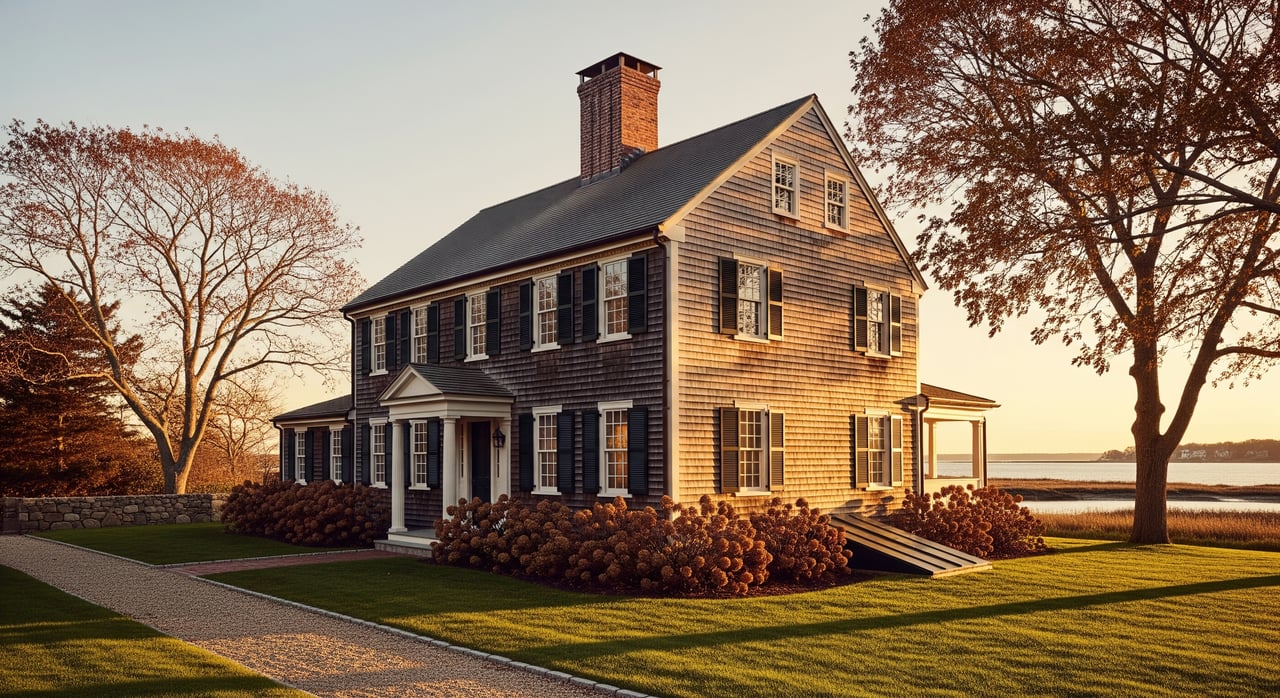
Falling for a cedar-shingled colonial or a saltbox near the harbor is easy. Owning one takes a plan. If you are eyeing a historic home in Setauket or East Setauket, you want to balance character with clear steps on inspections, permits, financing, and renovation. This guide walks you through what to check, who to call, and how to move forward with confidence in the Town of Brookhaven. Let’s dive in.
Why Setauket’s historic homes appeal
Setauket and the Three Village area are rich with colonial-era architecture, churchyards, and landscapes tied to local history. Many homes have handcrafted details and materials that are hard to find today. You get a sense of place that draws people to the North Shore. You also take on responsibilities that come with older construction and, in some cases, local preservation rules.
Step 1: Confirm historic status
Before you make an offer, determine how the property is recognized. National and state listings are often honorary for private owners, while local rules can control exterior changes.
What to check and who to call
- Ask the Town of Brookhaven planning or building department if the home is in a local historic district or is locally landmarked.
- Check with the New York State Office of Parks, Recreation and Historic Preservation to see if the home is on the state or National Register.
- Review local code for any demolition delay, design review, or tree protections that apply to the address.
- Look for preservation easements or covenants in the title that could limit alterations.
What the designations mean
- National Register listing usually does not restrict a private owner unless federal funds or permits are involved. It may open incentives for certain income-producing projects.
- Local designation matters most. Exterior changes, demolition, and additions may require a Certificate of Appropriateness and added review before you pull permits.
Step 2: Do targeted due diligence
Older homes have unique systems and materials. A standard inspection is a start, not the finish.
Research before you offer
- Pull the deed and title to find any easements, covenants, or restrictions.
- Gather history from the Three Village Historical Society or state files to understand age, alterations, and significance.
- Verify zoning, setbacks, and outbuilding status so your plans fit the lot and the rules.
Inspections beyond the basics
Hire a general inspector experienced with older construction, then add specialists as needed:
- Structural: timber framing, sills, joists, foundations, settlement, or sill rot.
- Roof and masonry: flashing, gutters, chimneys, mortar, and crowns.
- Exterior fabric: clapboard, shingles, or masonry condition and mortar type.
- Windows and doors: original sash, glazing, frames, and sills.
- Interior finishes: plaster, lath, and historic millwork.
- Electrical: knob-and-tube wiring, fuses, and panel capacity.
- Plumbing and heating: pipe materials, lead risk, old boilers, oil tanks, and chimney lining.
- Moisture and ventilation: attic, crawl space, and insulation.
- Environmental: lead-based paint in pre-1978 homes, possible asbestos, radon testing, and wood-destroying insects.
- Site systems: septic, cesspool, or sewer status, drainage, and any proximity to wetlands.
The right specialists to bring in
- Structural engineer familiar with historic framing and masonry.
- Historic preservation architect or consultant for significance and rehab strategy.
- Licensed electrician and plumber who understand older systems.
- Certified lead-safe contractor and an asbestos inspector if materials are suspect.
- Septic inspector and, if needed, a Suffolk County Health Department consult.
- Insurance broker who knows older or historic coverage.
Step 3: Understand permits and approvals
You will likely need standard building permits from the Town of Brookhaven for structural work, additions, roofing, and system replacements. If the property is locally designated, add design review to your timeline.
When you need approval
- Exterior changes on landmarked homes or those in historic districts often require a Certificate of Appropriateness.
- Demolition, major alterations, and some landscape changes may face review or delay.
- Septic or cesspool replacements, or conversion to sewer, require county health approvals.
How rules affect cost and schedule
- Plan for added time to secure approvals. Build this into your closing and construction timeline.
- Expect material requirements that are compatible with historic character, such as wood windows instead of vinyl.
- Set a contingency for custom millwork, specialized trades, and documentation requested during review.
Step 4: Plan financing and insurance
Financing is available for historic homes. The key is choosing a loan that fits the property’s condition and your project scope.
Renovation-friendly loans
- FHA 203(k) rehabilitation loans can bundle purchase and renovation for owner-occupied homes.
- Fannie Mae HomeStyle Renovation loans offer similar buy-and-improve flexibility.
- After closing, some buyers use a home equity loan or HELOC for phased work.
Taxes and incentives
- Federal Historic Rehabilitation Tax Credits generally apply to certified work on income-producing historic properties, not most owner-occupied homes.
- State or local incentives vary and change over time. Confirm current options with the state preservation office and local assessors.
- Local historic status does not automatically raise or lower property taxes. Assessments update after improvements are completed.
Insurance checklist
- Ask carriers about coverage that reflects historic materials and custom work, not just replacement cost.
- Some insurers require upgrades if you have knob-and-tube wiring or outdated systems.
- Review flood exposure using FEMA resources and check if separate flood or coastal coverage is recommended.
Step 5: Renovate the right way
The goal is to keep character while improving safety, efficiency, and daily function.
Preservation-friendly upgrades
- Start with structure and moisture control, then update electrical and plumbing.
- Repair original windows when feasible and add interior or exterior storm panels for efficiency.
- Add attic insulation, improve weatherstripping, and consider ductless mini-splits or zoned HVAC to limit invasive work.
- Document existing conditions with photos before you begin. This helps with permits and future maintenance.
Common pitfalls to avoid
- Skipping a specialist inspection and discovering major issues later.
- Replacing character-defining features when repair would meet standards and cost less over time.
- Underestimating permit timelines for locally designated properties.
Local resources to know
- Town of Brookhaven planning and building departments for permits and local rules.
- New York State Office of Parks, Recreation and Historic Preservation for listings and guidance.
- National Park Service materials on the National Register and preservation standards.
- Suffolk County Department of Health Services for septic and cesspool requirements.
- Three Village Historical Society for local history and research support.
- Preservation League of New York State for technical resources and referrals.
Offer strategy and contract tips
Protect your interests while staying competitive in a sought-after area.
- Use inspection and environmental contingencies that name specific tests and specialists.
- Get contractor estimates for visible issues before you finalize price and terms.
- Consider escrow or credits for larger repair items based on inspection findings.
- Set a realistic closing timeline if local design review could impact immediate post-closing work.
Timeline and action plan
- Week 1–2: Confirm historic status with the Town and state, and review title for easements.
- Week 2–4: Complete general and specialist inspections, plus septic and environmental testing.
- Week 3–5: Get contractor bids, consult an insurance broker, and align loan options.
- Week 4–6: Finalize offer terms with contingencies and realistic timelines for approvals.
- Post-closing: Sequence structural and safety work first, then efficiency and finishes. Submit required applications early.
Partner with local expertise
Owning a historic home in Setauket is rewarding when you plan ahead and work with the right team. You bring the vision. We coordinate the steps, referrals, and strategy that make it achievable, from inspections and financing paths to permit planning and contractor introductions. If you are ready to pursue a historic home in the Three Village area, connect with The Port Jefferson Team for local guidance backed by modern tools.
FAQs
What makes Setauket homes “historic,” and why does it matter?
- Many homes in Setauket and East Setauket have recognized age, architecture, or cultural significance. National or state listing is often honorary, while local designation can trigger exterior design review and permits.
How do I check if a Setauket property is in a local historic district?
- Contact the Town of Brookhaven planning or building department and ask about district maps and local landmark status for the specific address.
Do National Register listings restrict my renovations?
- Generally no for private owners, unless federal funds or permits are involved. Local landmark or district rules are the ones that can require approvals for exterior work.
What inspections are most important for older homes in Suffolk County?
- In addition to a standard inspection, prioritize structural, electrical, plumbing, lead paint, asbestos, radon, septic or cesspool evaluations, and pest inspections.
Are there tax credits or grants for restoring a Setauket home?
- Federal tax credits usually apply to certified work on income-producing properties. State and local programs vary over time, so verify current options with the state preservation office and local agencies.
Will insurance cost more for a historic home?
- It can. Older systems and custom materials may increase premiums or require upgrades. Get quotes from carriers experienced with older or historic properties.
How do permits and approvals affect my renovation timeline?
- If the property is locally designated, expect extra time for design review and a Certificate of Appropriateness. Build this into your schedule and budget.